
Case appreciation Country Garden Tangshan
- Categories:Company dynamics
- Author:kaber
- Origin:funmax
- Time of issue:2023-10-18
- Views:0
(Summary description)



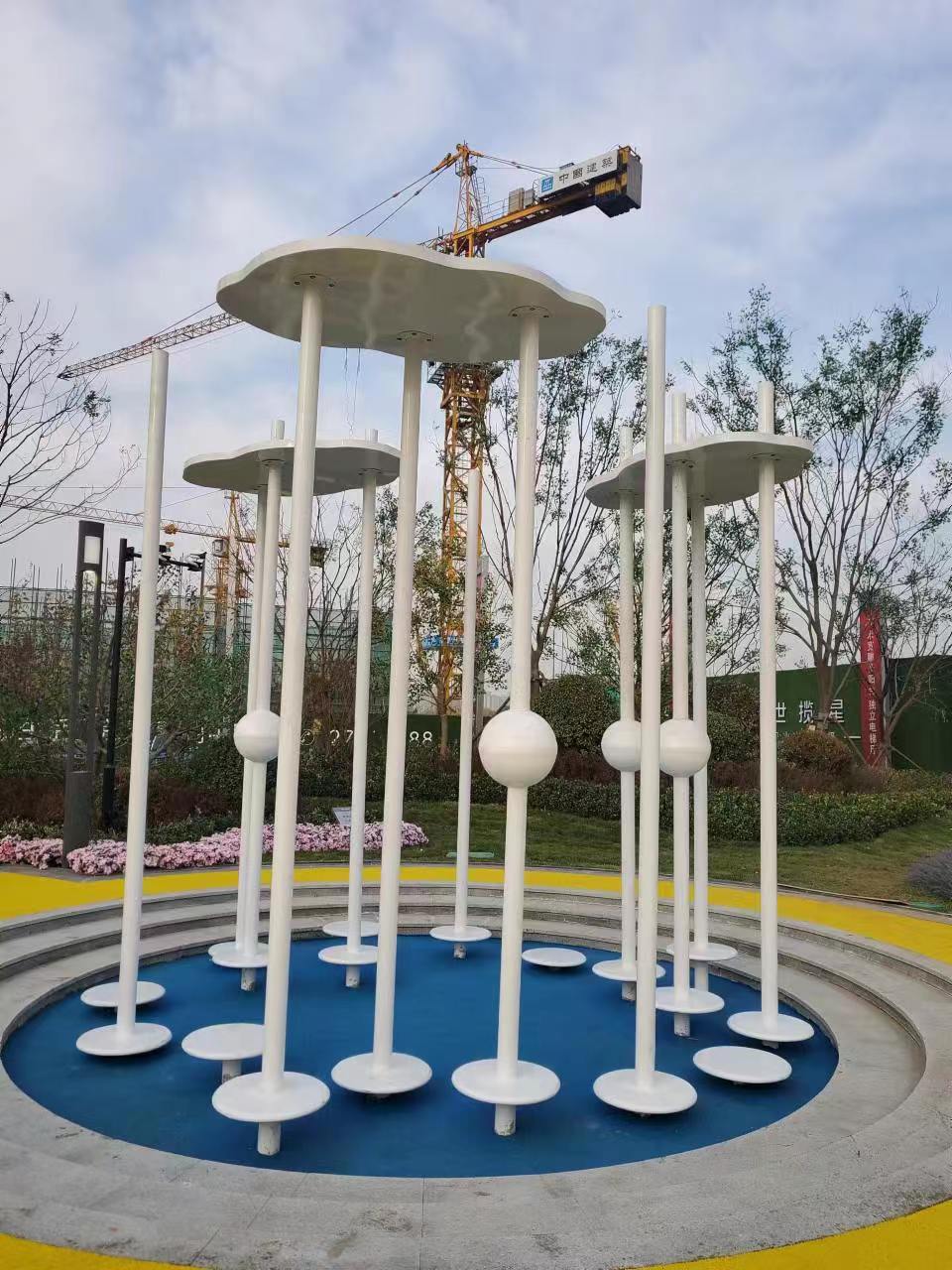
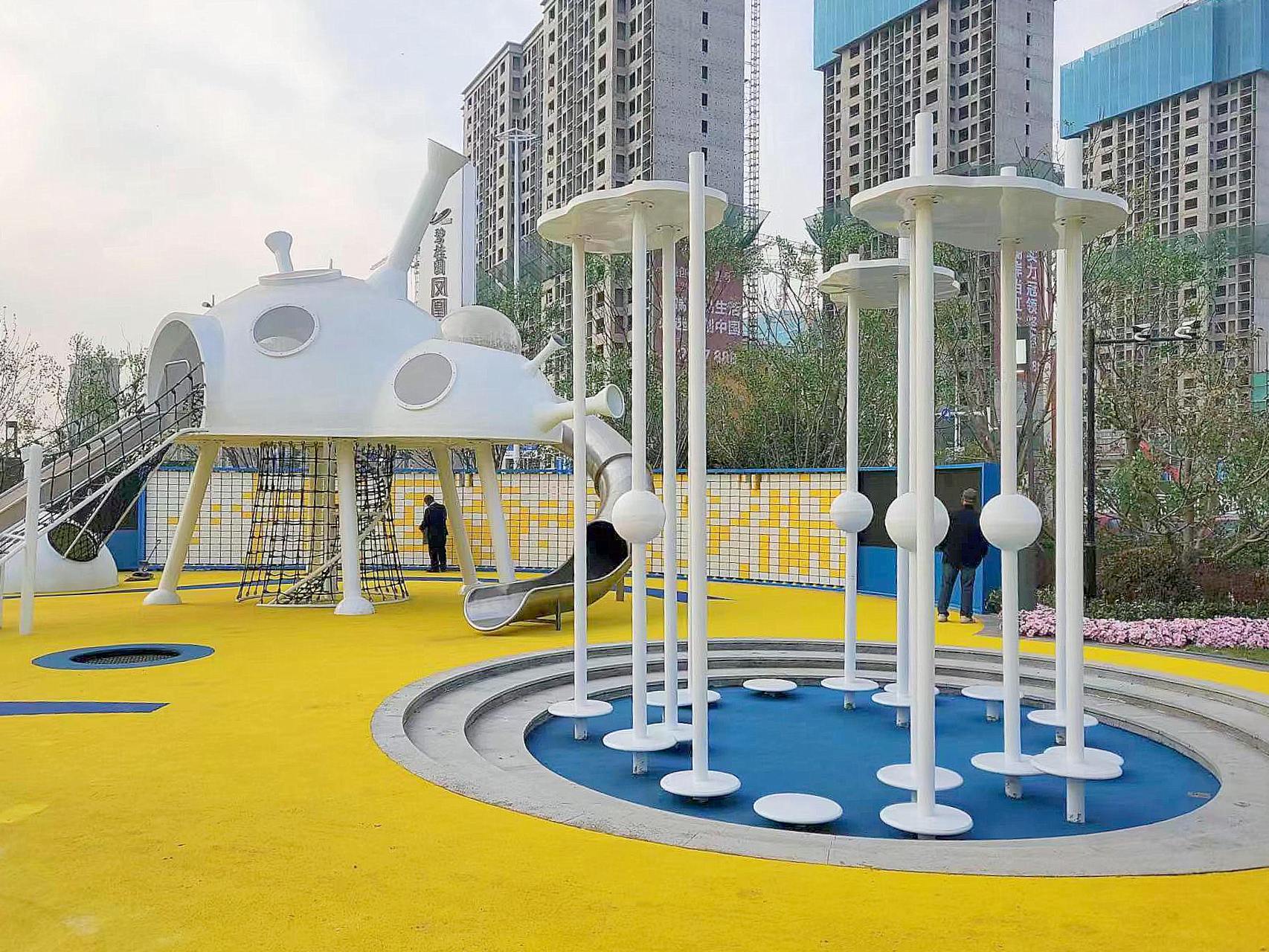

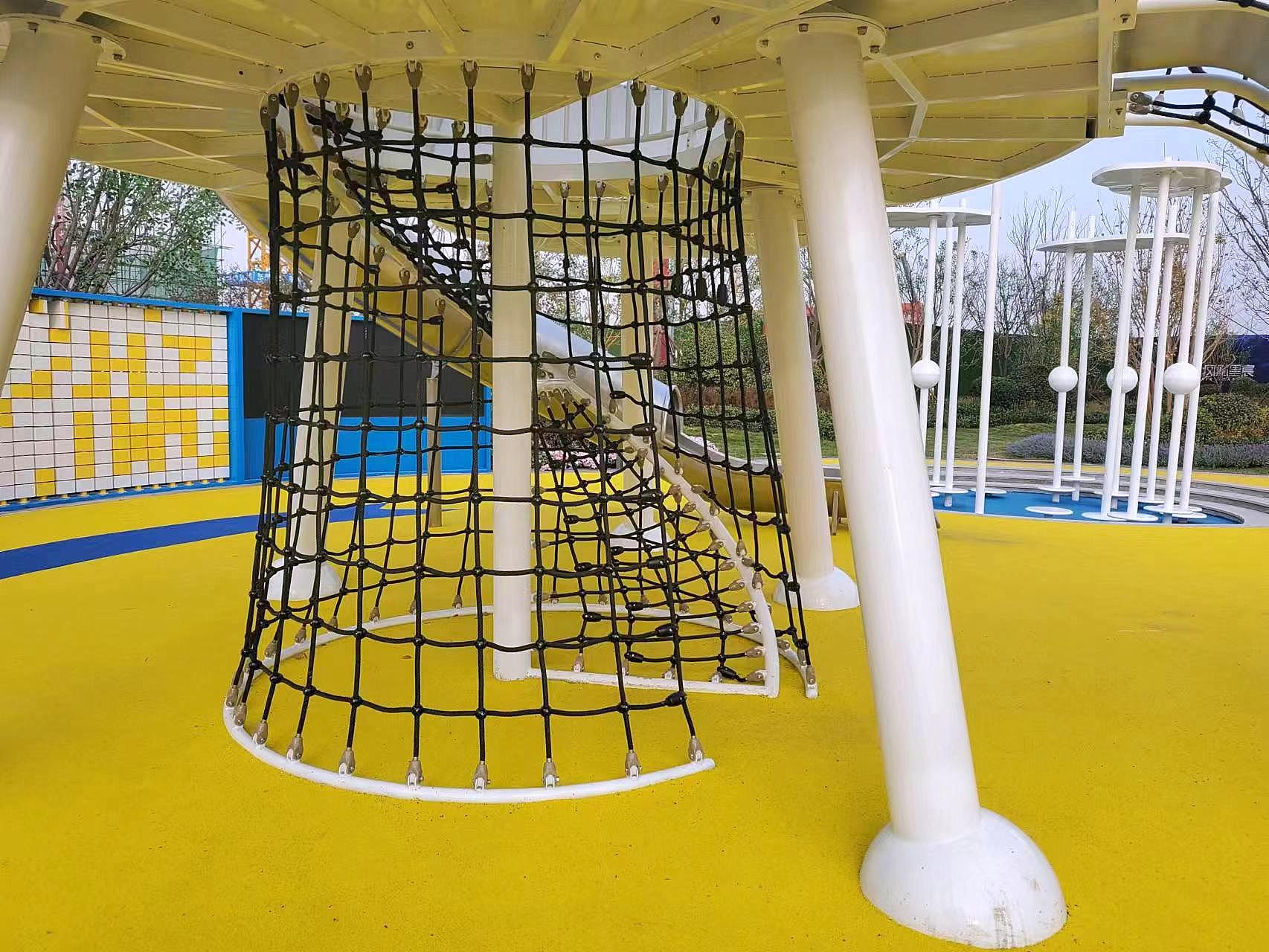
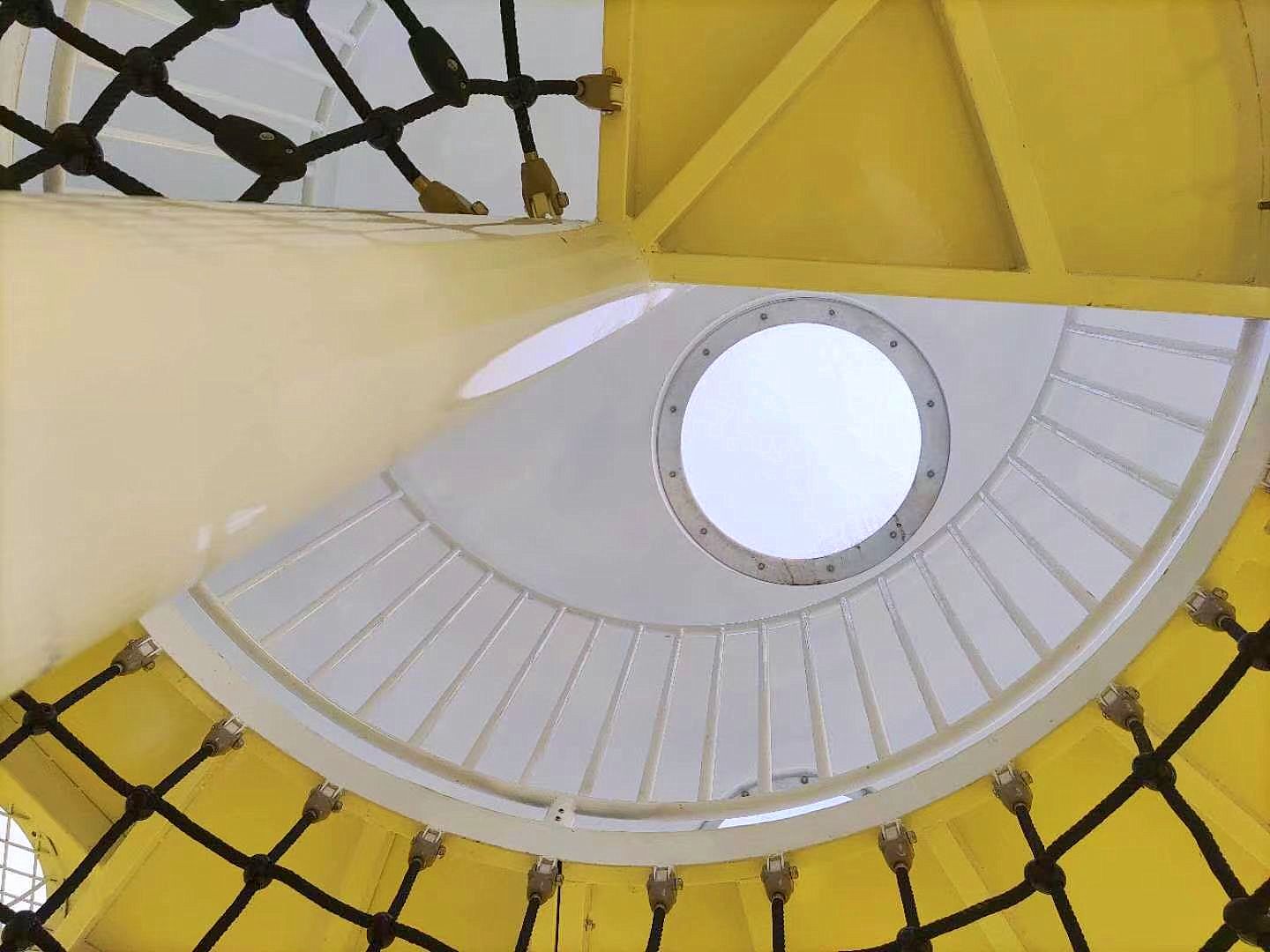
Case appreciation Country Garden Tangshan
(Summary description)
- Categories:Company dynamics
- Author:kaber
- Origin:funmax
- Time of issue:2023-10-18
- Views:0
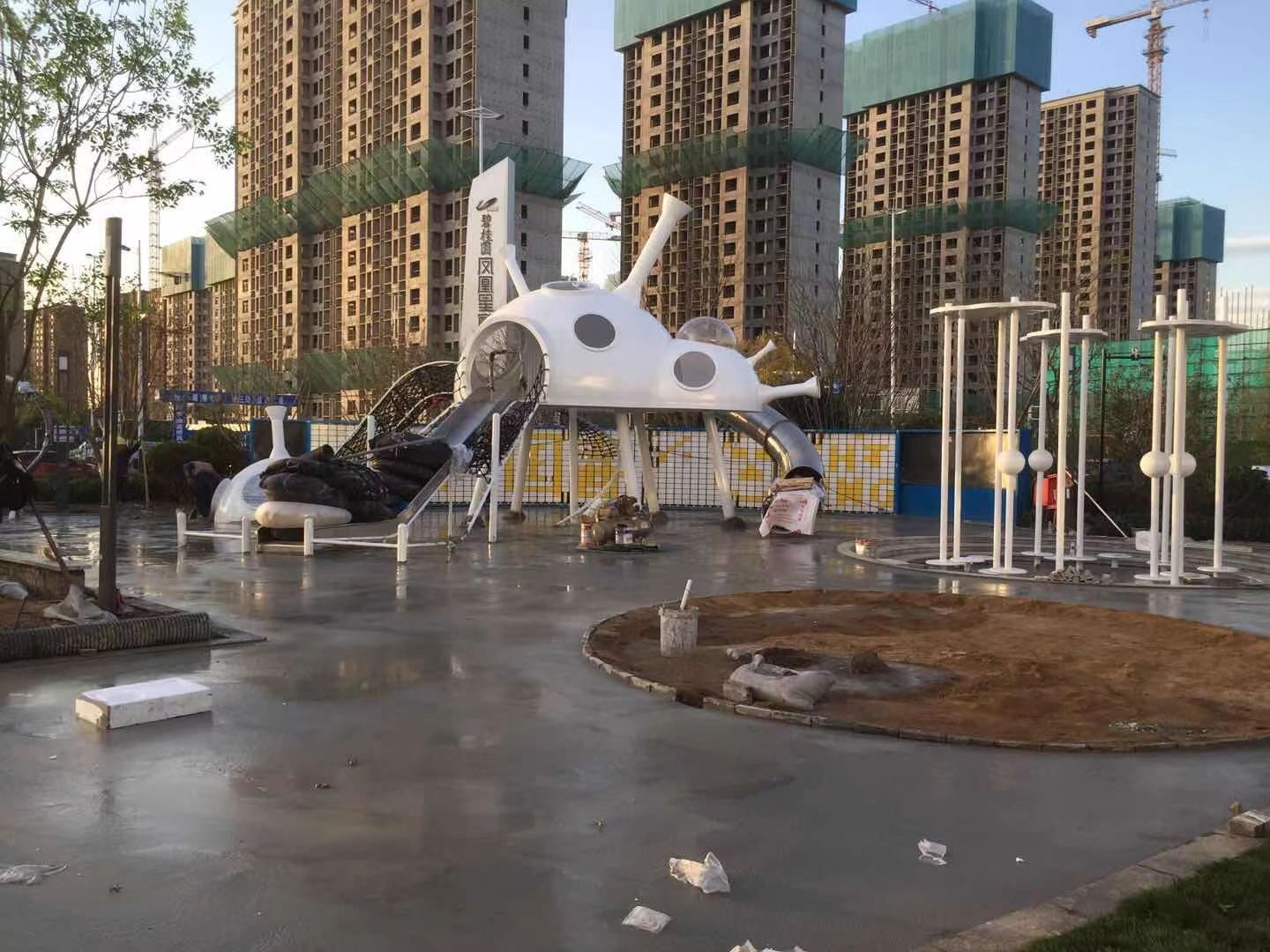
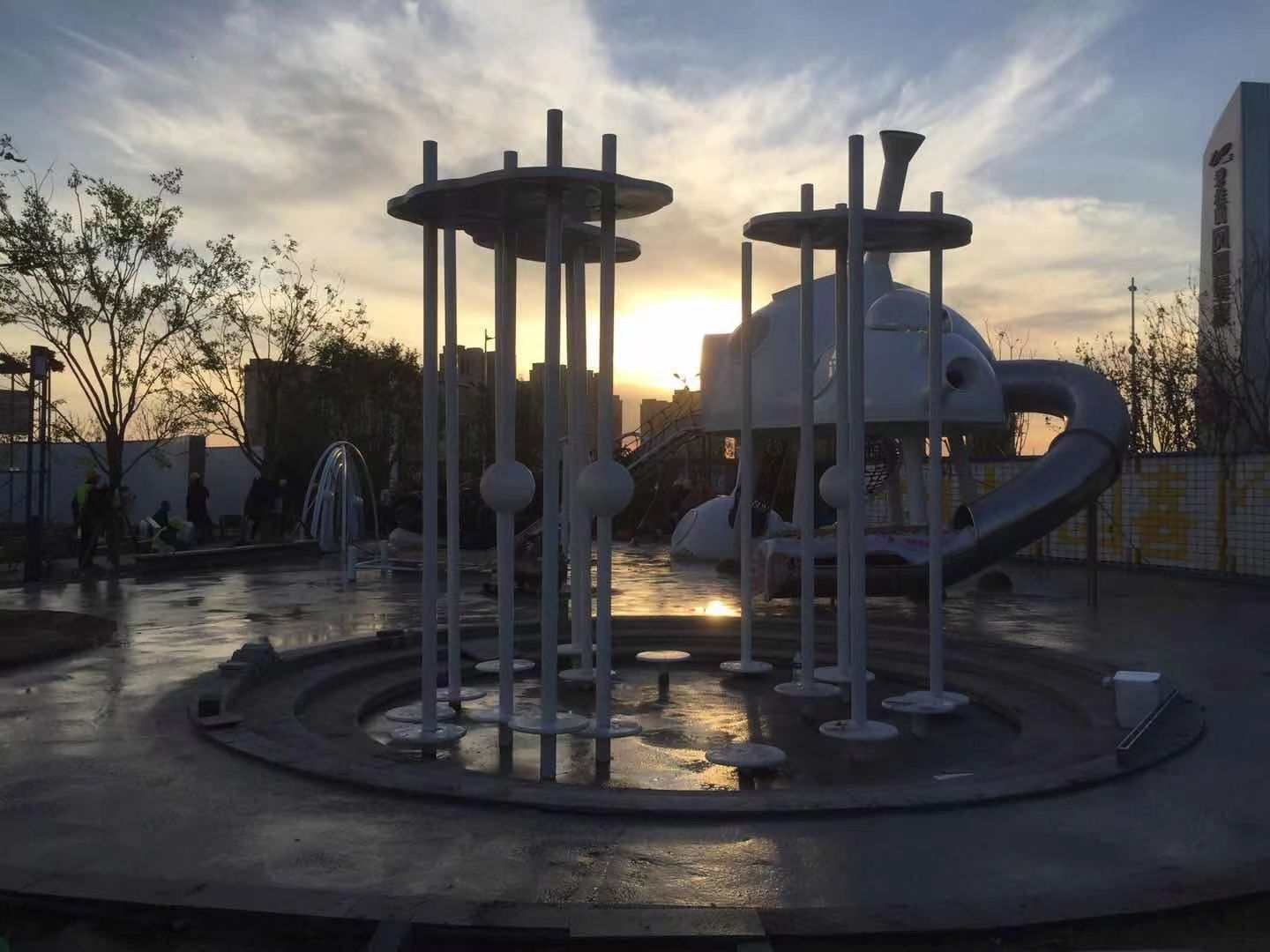
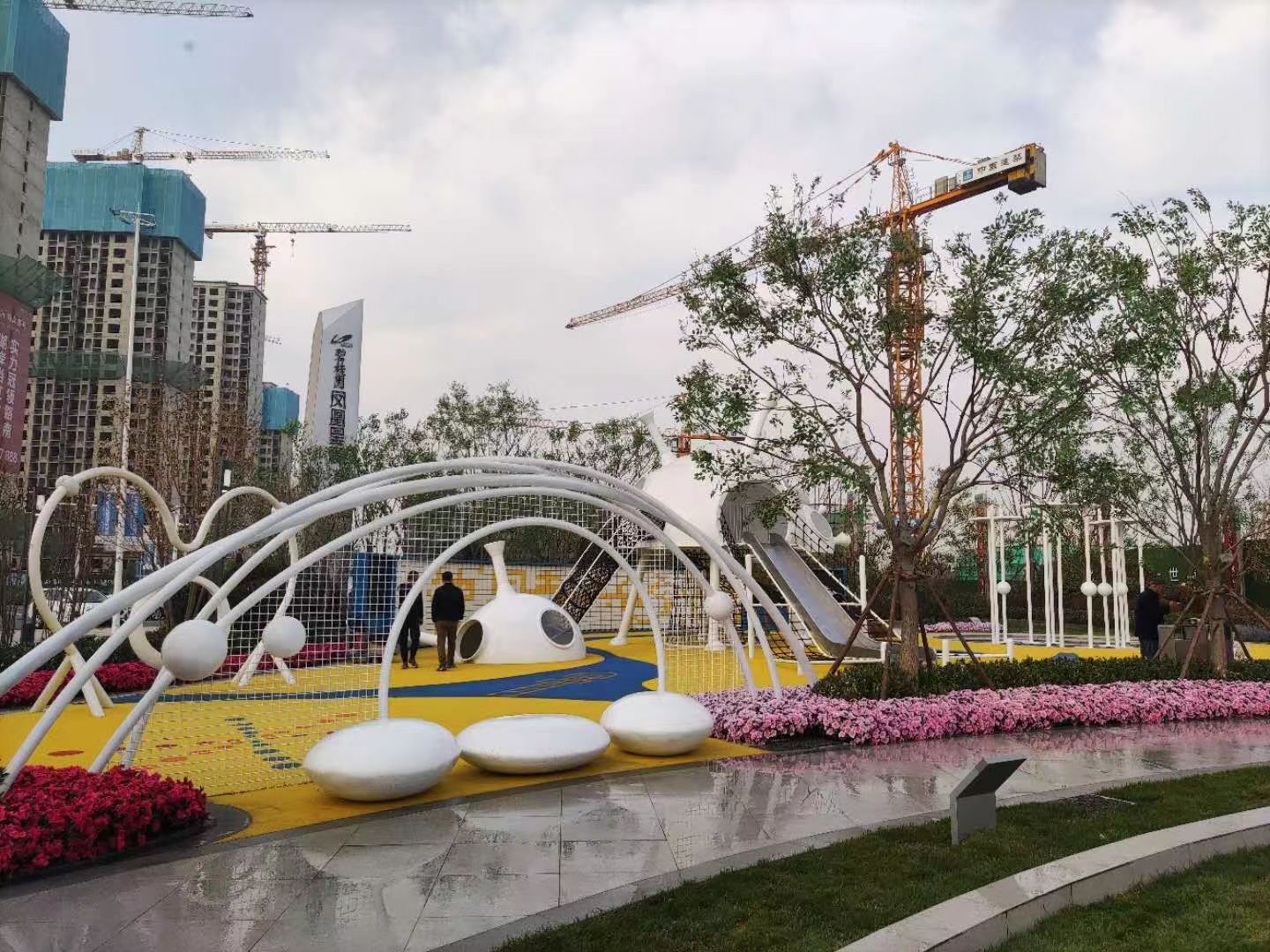
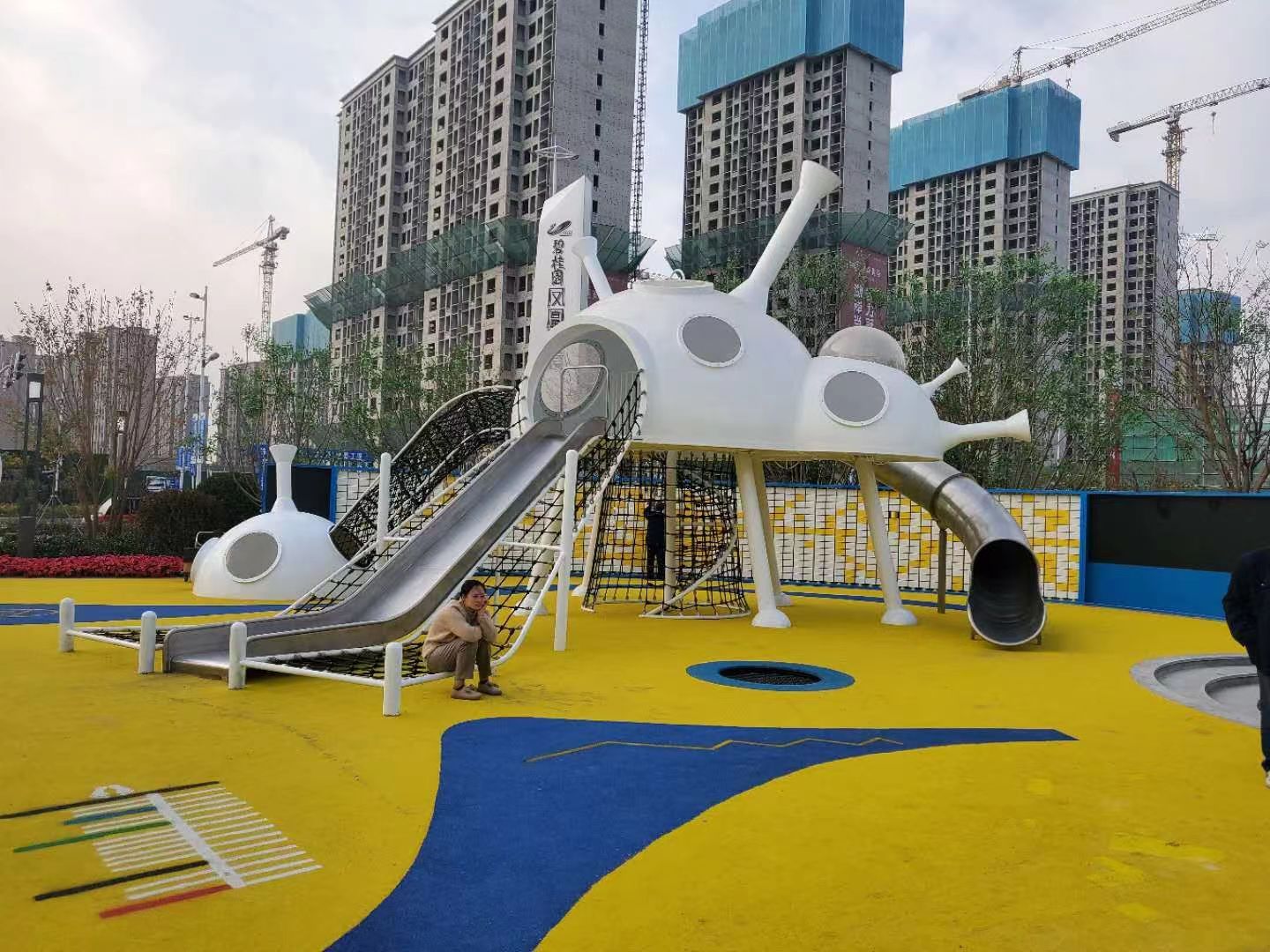
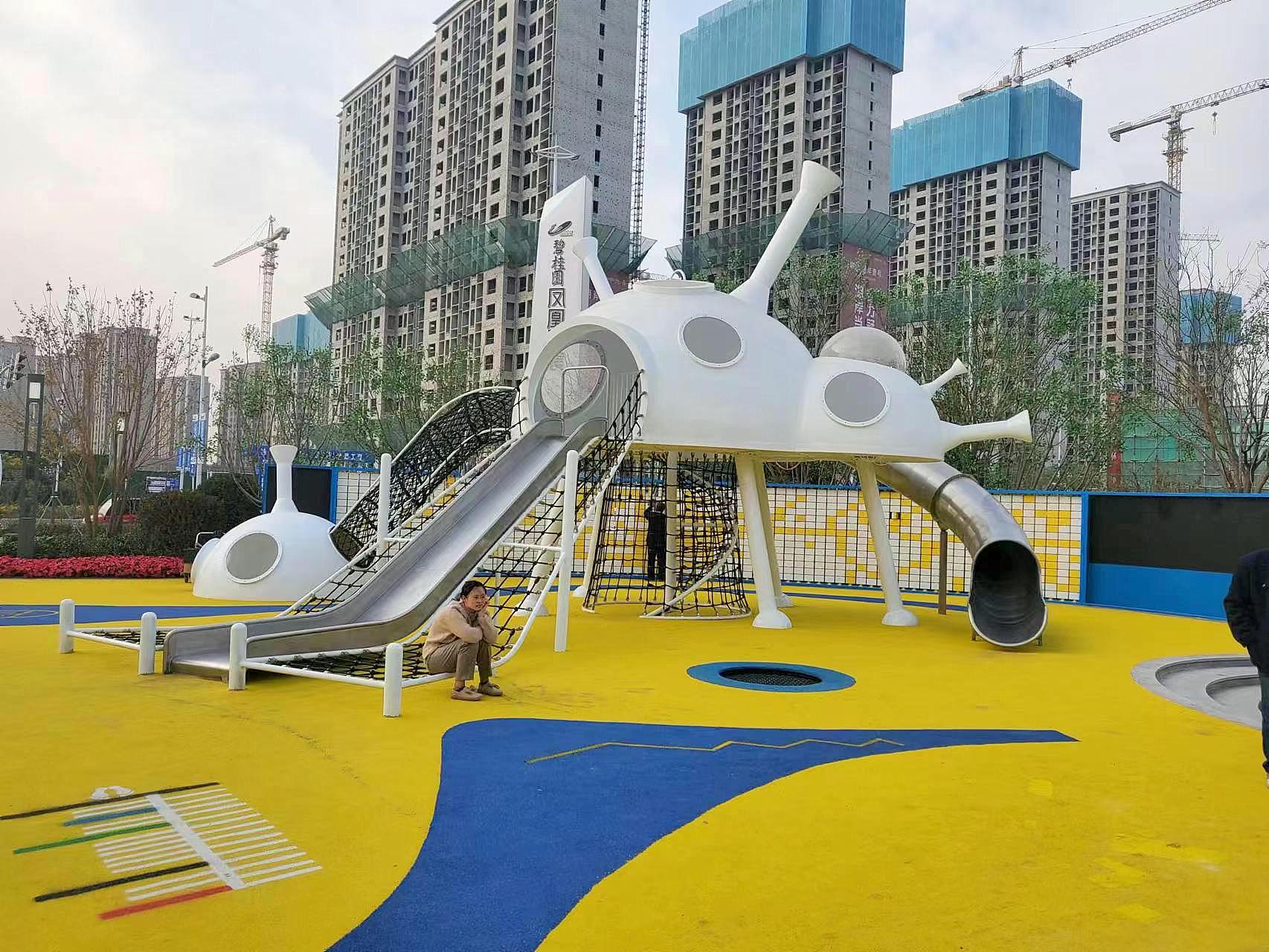
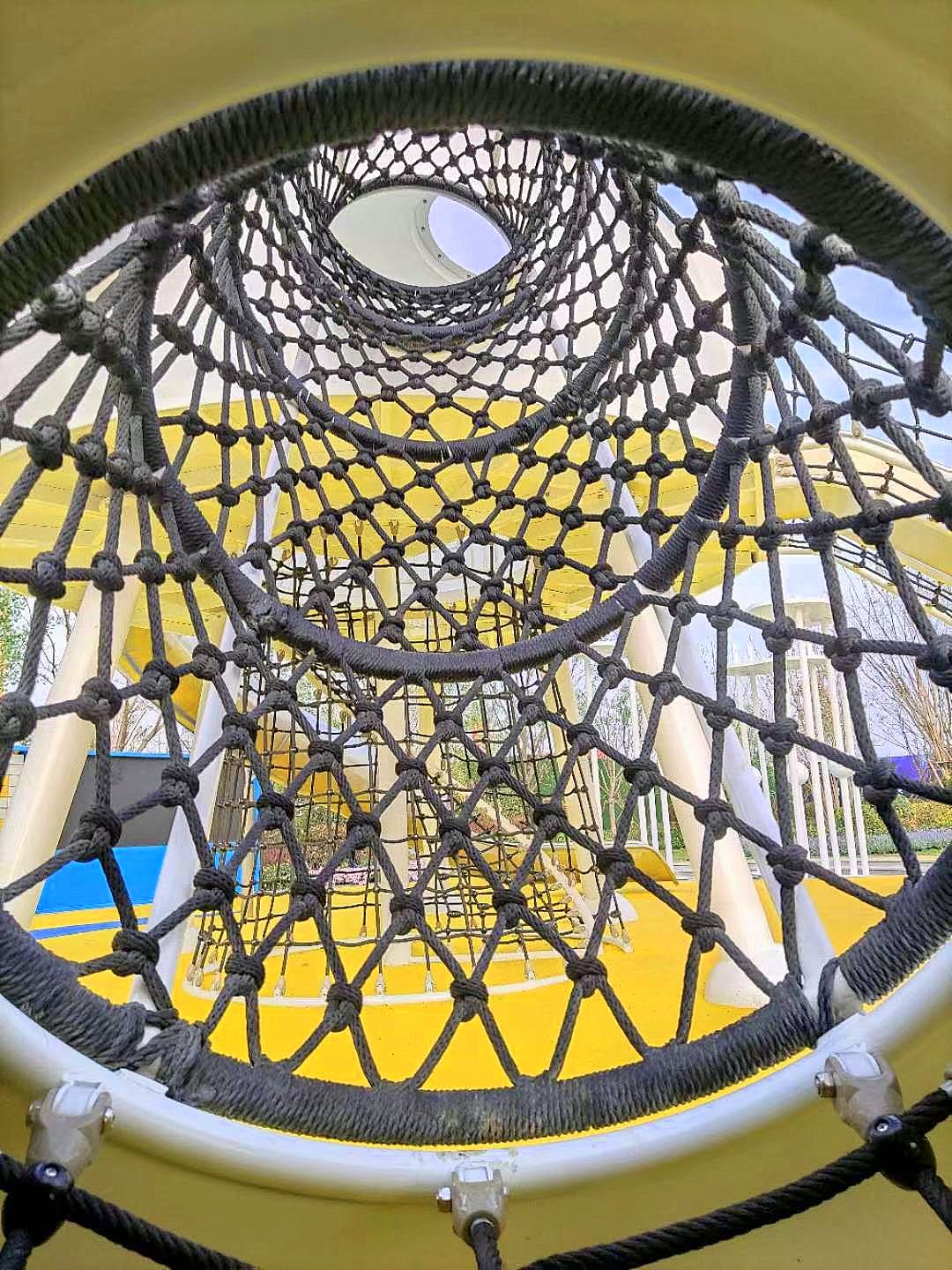
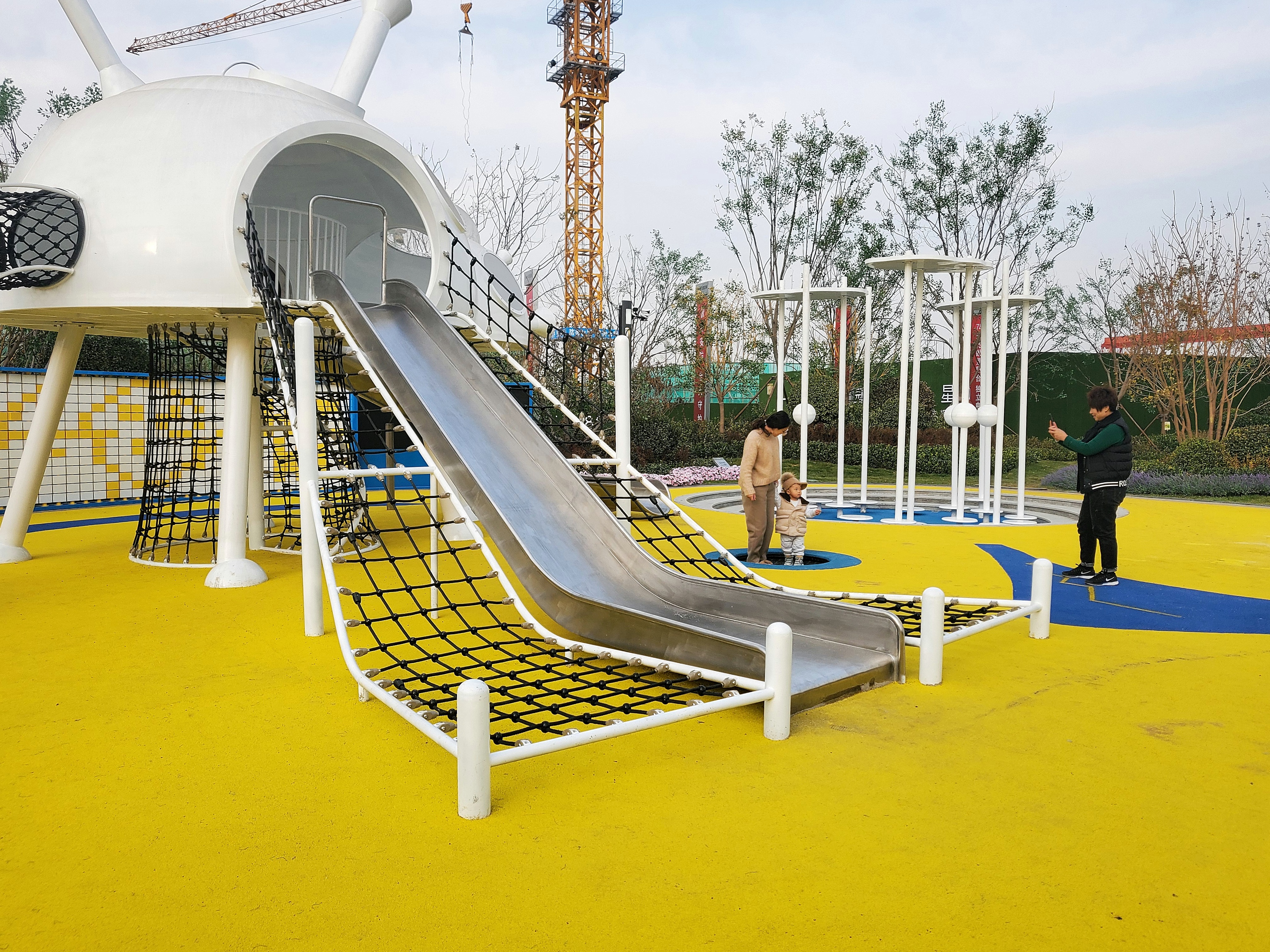
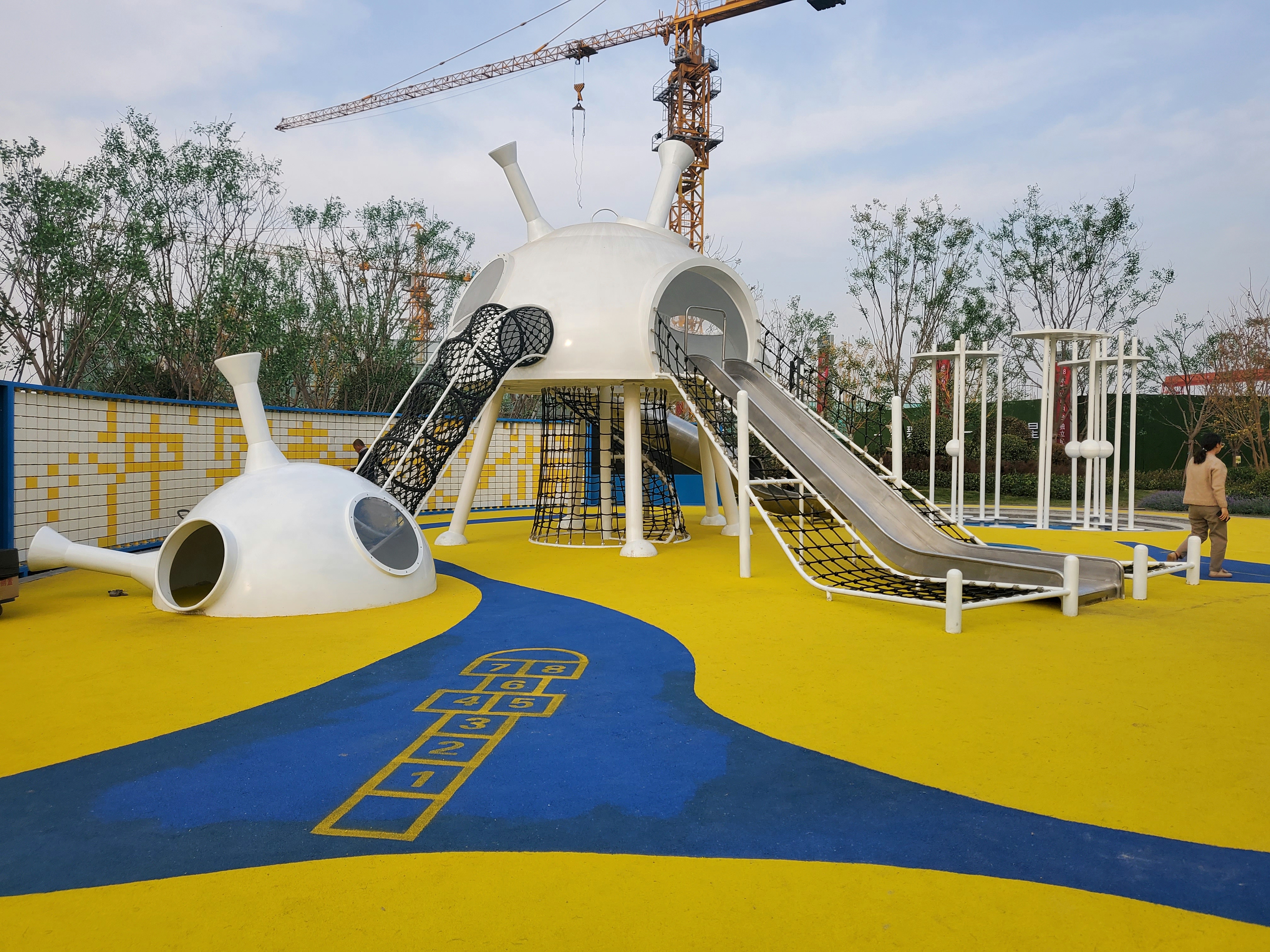
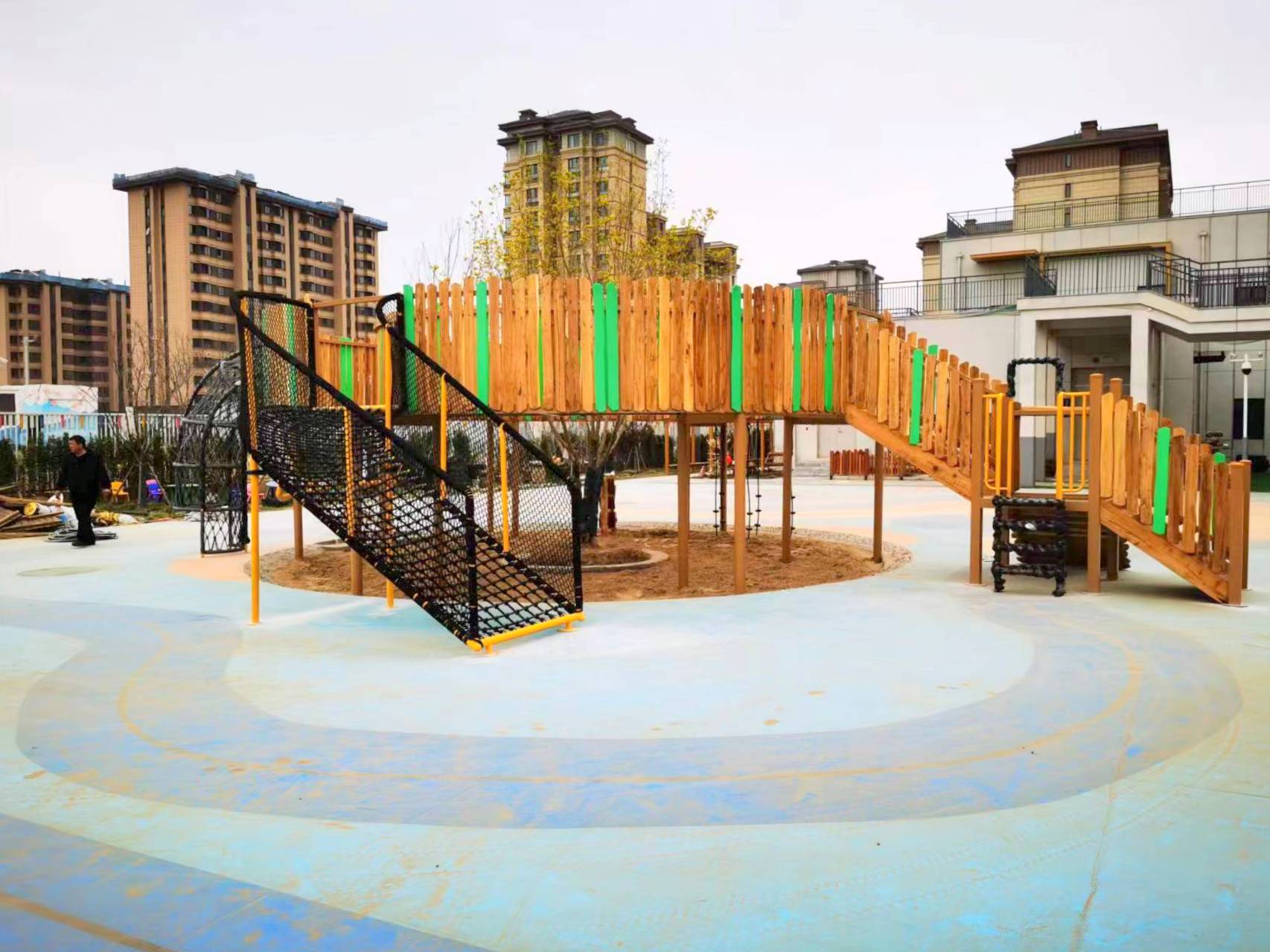
Party A's demand is to design a vibrant and attractive children's play area in a semicircle activity area. The area requires a large use of bright colors to enhance the visual impact and the interest of the children. In addition, there are more than four interactive combinations of large slides, climbing facilities, ground trampoline, sandpools and parents' rest areas.
In order to enrich the children's amusement experience, we will design a large slide combination. The slides can be made in different heights, shapes and materials to meet the needs of children of different ages. In addition, the slides can also be connected to each other, forming a multi-level, multi-path network of slides, allowing the children to enjoy endless fun in them.
Scan the QR code to read on your phone
Message consultation
-
 How can we spend the cold spring?
Spring is coming Although the weather is still cold But the fun of playing outdoors can bring us warmth In this beautiful season Let's grasp every sunny day Out of the room Enjoy the gift of nature - Winter vacation update campus plan —— The British School of Beijing, Shunyi gas film hall sports floor 01-17
- Winter vacation update campus plan ——The British School of Beijing, Shunyi gate Phase I project 01-17
- Snow day meet childhood-Xiongan Rong Xiqing He Kindergarten 12-14
- Funmaxland factory works in Germany 12-14
Contact Us
Mailbox:info@funmaxland.com.cn
Xianglong building, A3 Longtan Road, Dongcheng District, Beijing

Mobile phone scan
Copyright © 2021 Beijing fanlimei sports equipment Co., Ltd. all rights reserved 京iCP备17047832号 Powered by www.300.cn