
Summer vacation update the campus plan
- Categories:Company dynamics
- Author:kaber
- Origin:funmax
- Time of issue:2023-10-18
- Views:0
(Summary description)Xiongan Rongxian West Xianghui Kindergarten
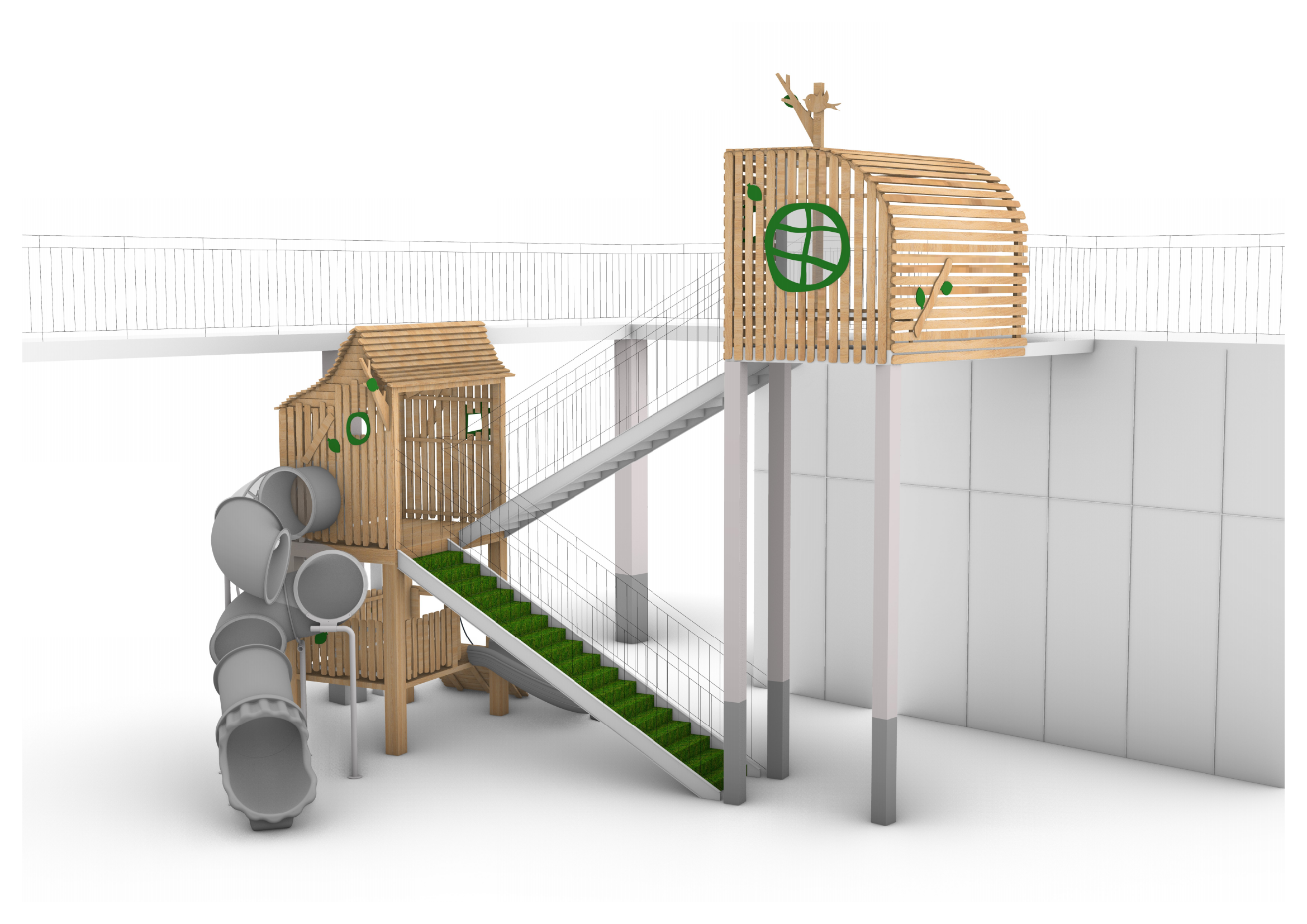
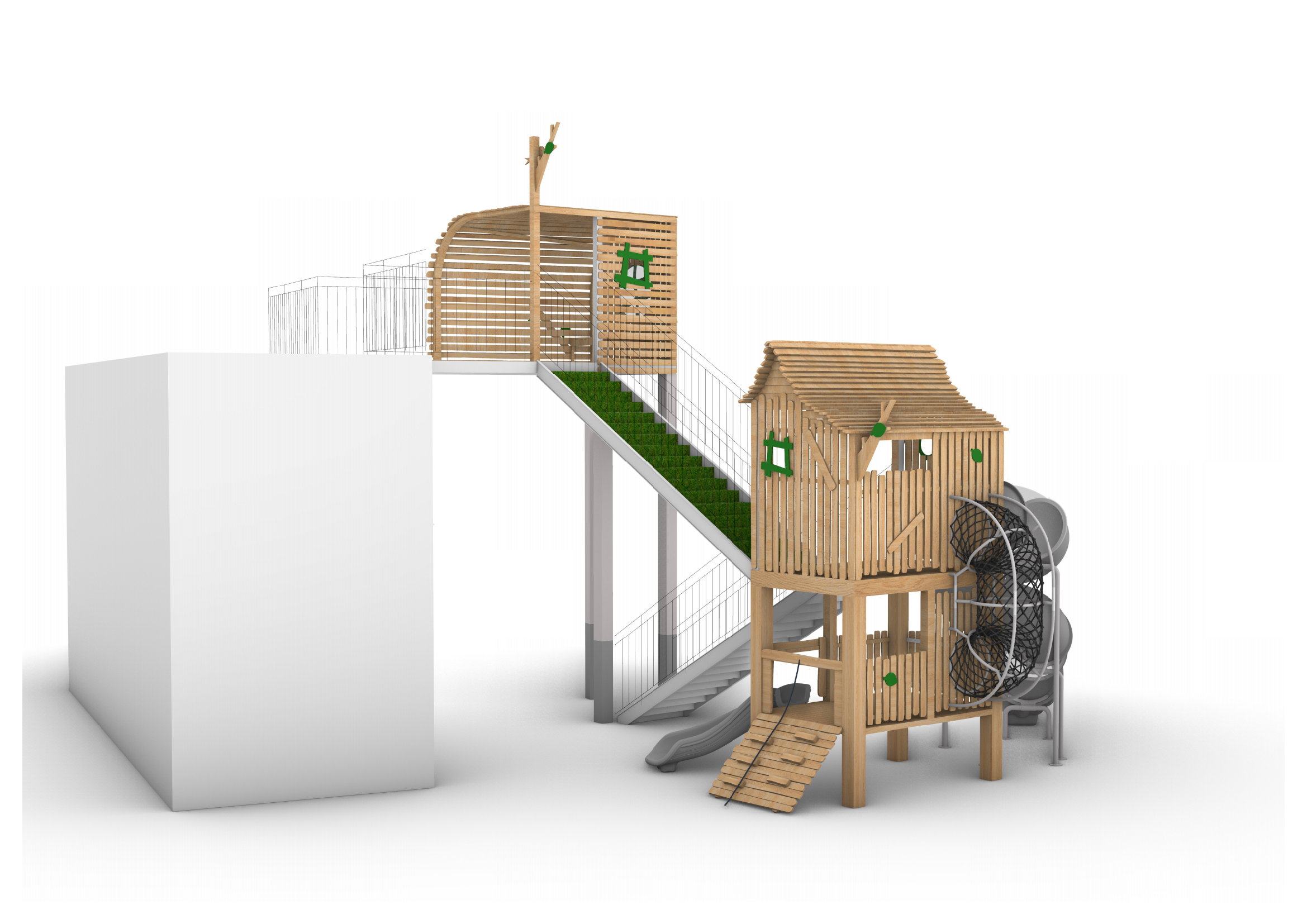
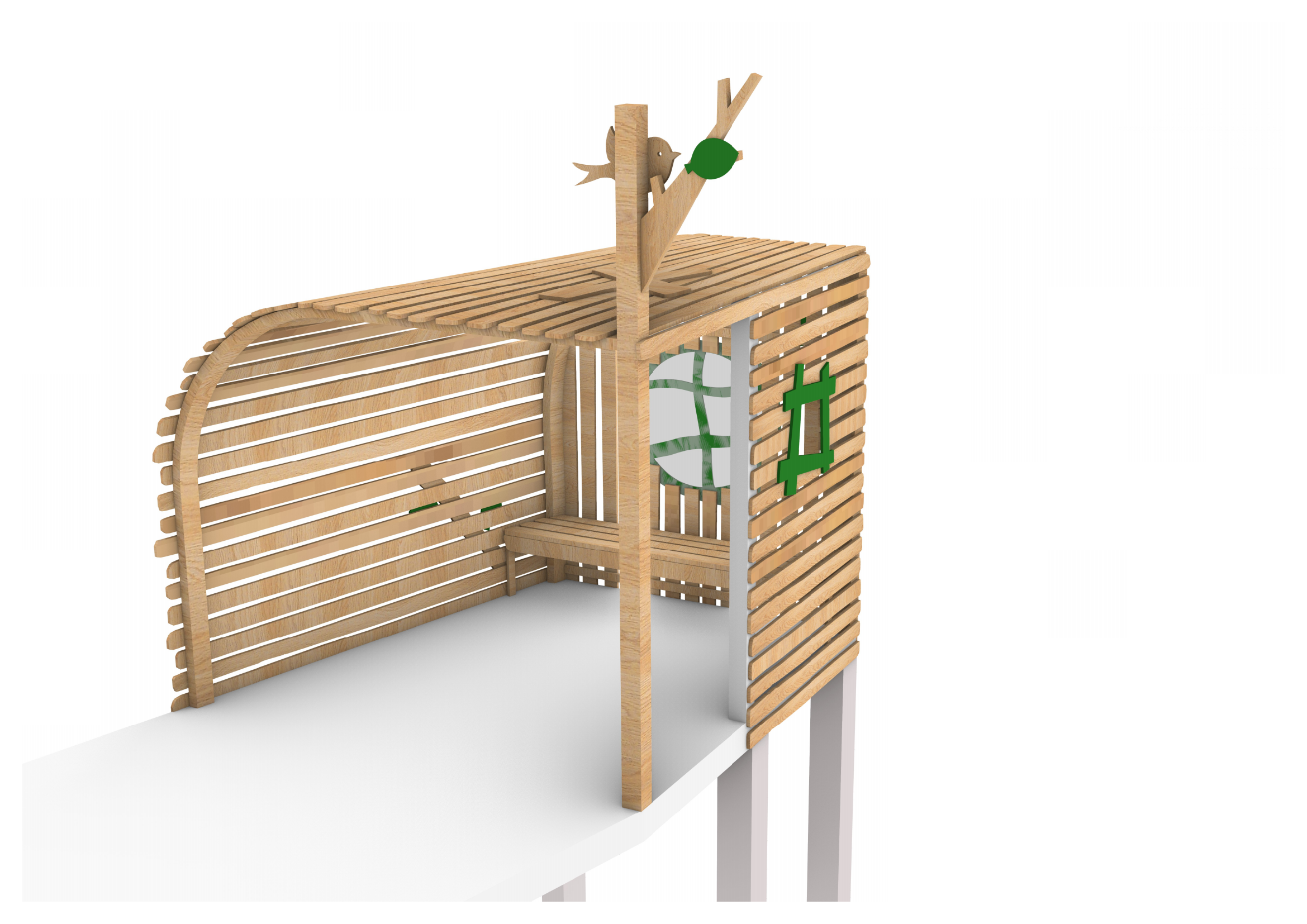

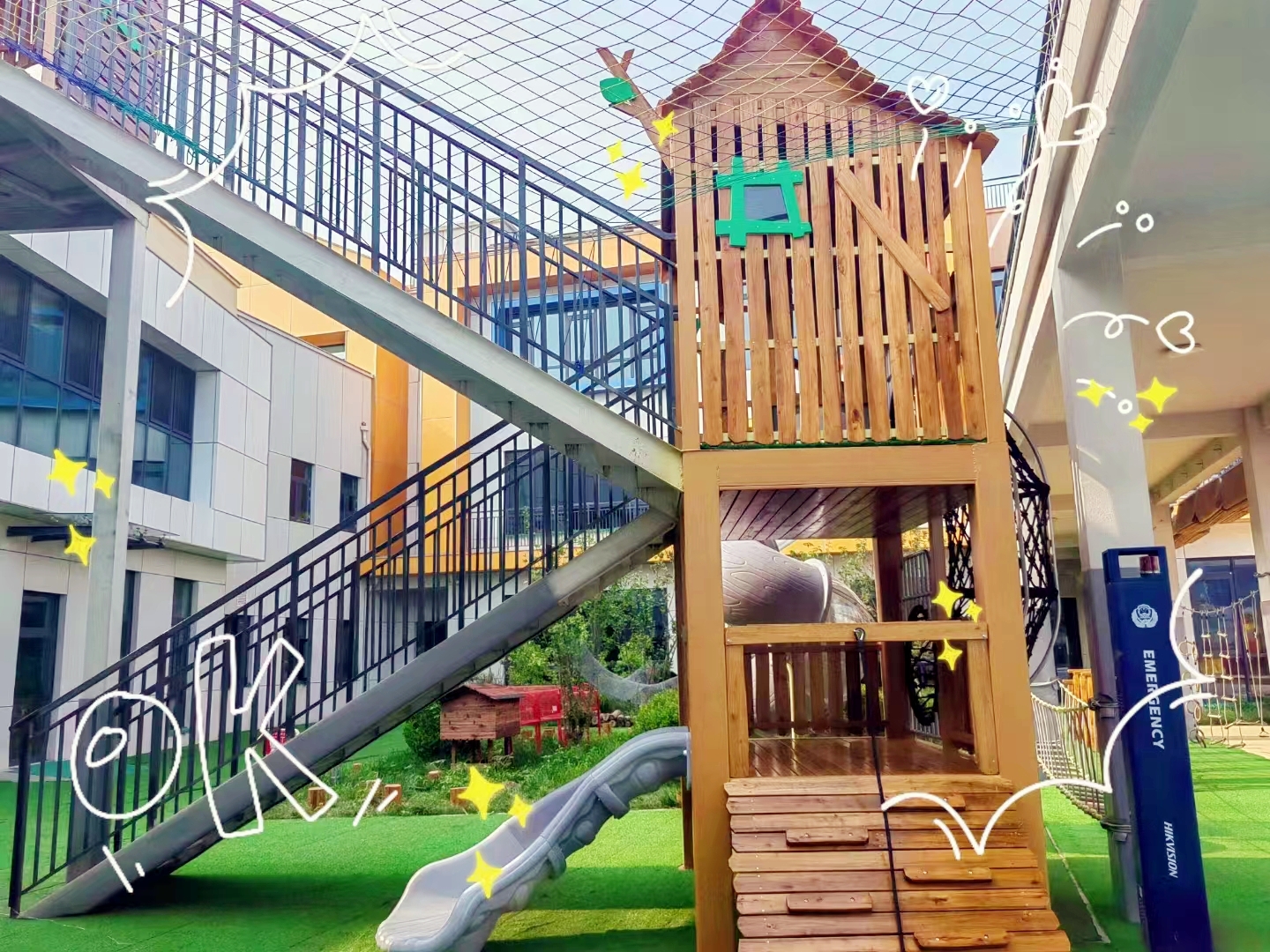
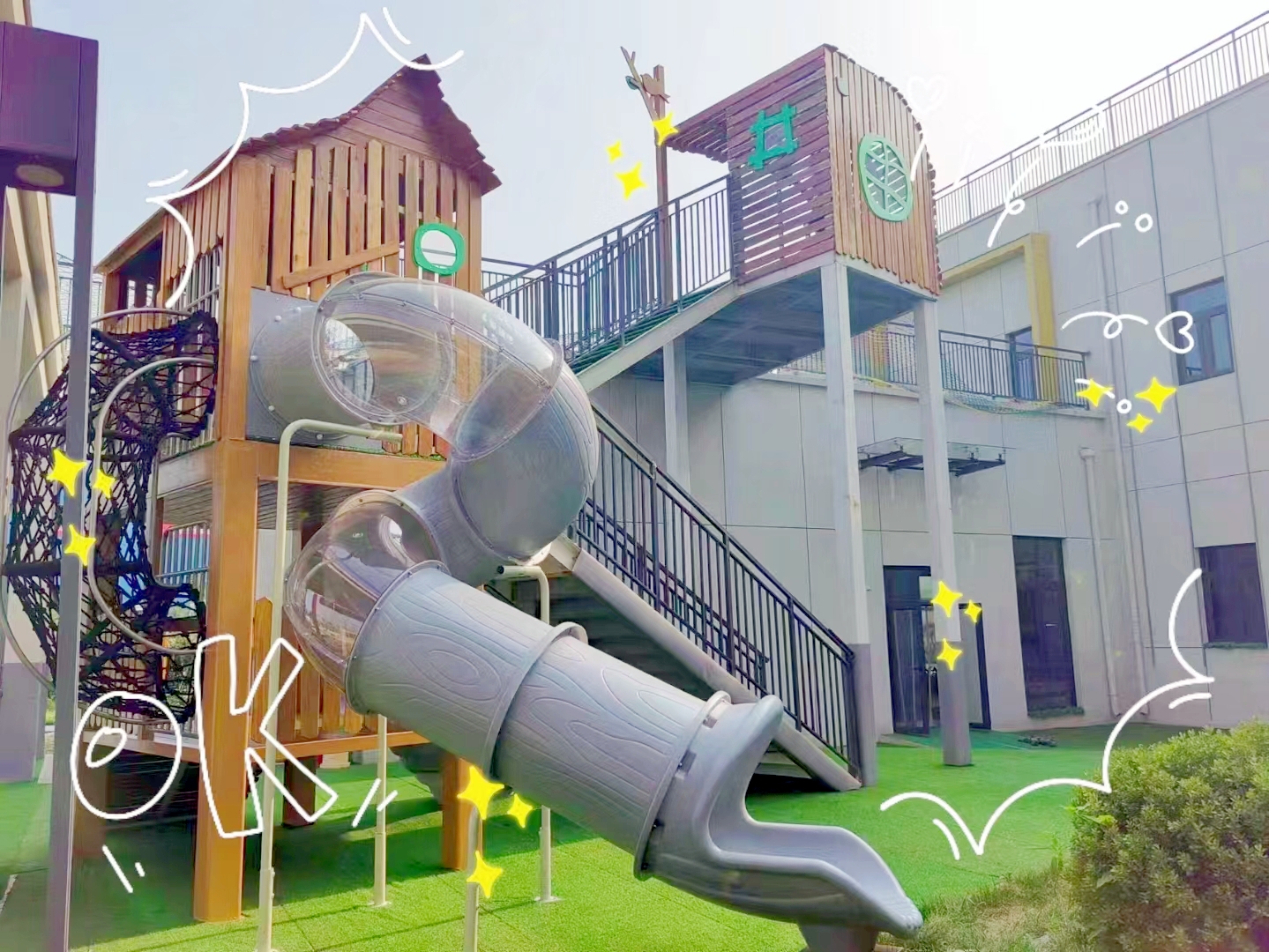
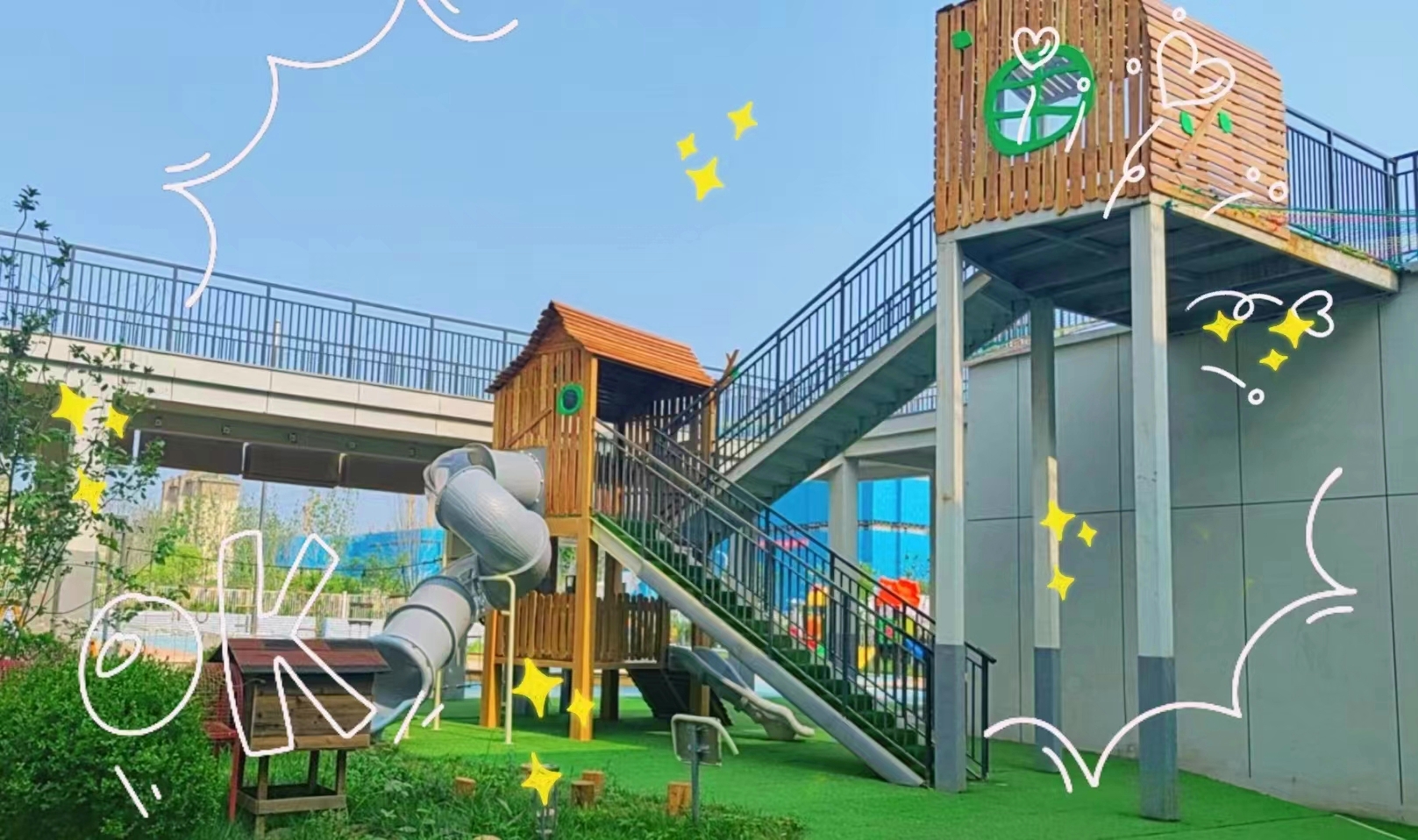
Summer vacation update the campus plan
(Summary description)Xiongan Rongxian West Xianghui Kindergarten
- Categories:Company dynamics
- Author:kaber
- Origin:funmax
- Time of issue:2023-10-18
- Views:0
Project introduction
Project location: Xiongan Rongxi Xianghui Kindergarten
Project subject: outdoor outdoor stairs
Design and construction: Beijing Funmaxland
Project type: renewal and renovation
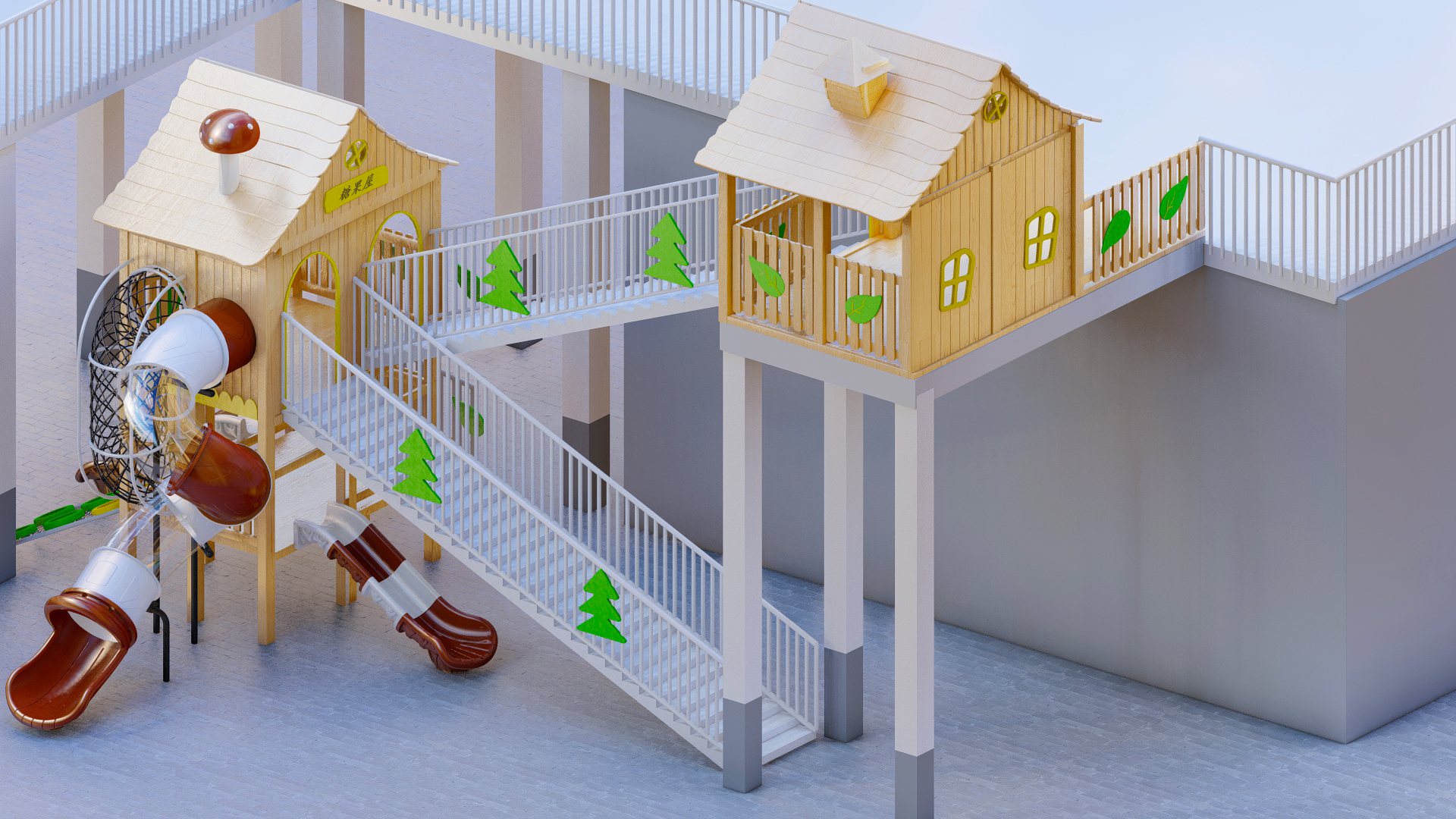
In the site, there is a steel staircase connecting the first floor to the roof, with a platform step in the middle. However, the design of the staircase is too simple and lacks decorative elements compatible with the overall atmosphere of the kindergarten.
In order to make the staircase more in line with the environment and atmosphere of the kindergarten, we communicated with the school and considered the following two improvements:
1. Consider adding some color elements: you can choose soft and bright colors to decorate the stairs and steps, such as green or blue, to increase vitality and interest.
Create interactivity: Consider setting up some activity equipment on the stairs or platforms, such as climbing nets, slides, etc., to attract children's attention and promote their participation.
Through the above improvement measures, the steel structure stairs can be more compatible with the overall atmosphere of the kindergarten, and provide a more attractive and pleasant climbing experience for children.
Scan the QR code to read on your phone
Message consultation
-
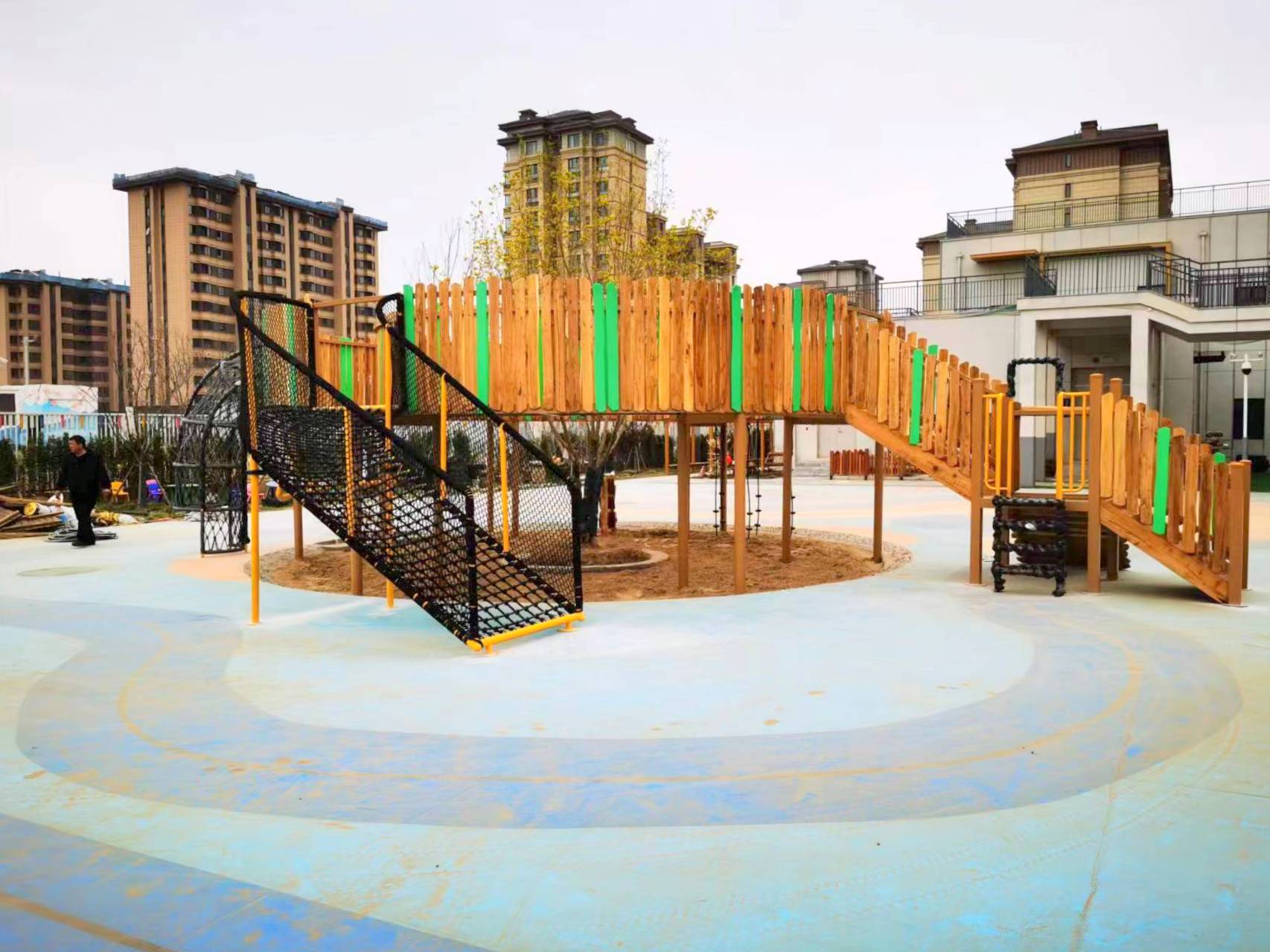 How can we spend the cold spring?
Spring is coming Although the weather is still cold But the fun of playing outdoors can bring us warmth In this beautiful season Let's grasp every sunny day Out of the room Enjoy the gift of nature - Winter vacation update campus plan —— The British School of Beijing, Shunyi gas film hall sports floor 01-17
- Winter vacation update campus plan ——The British School of Beijing, Shunyi gate Phase I project 01-17
- Snow day meet childhood-Xiongan Rong Xiqing He Kindergarten 12-14
- Funmaxland factory works in Germany 12-14
Contact Us
Mailbox:info@funmaxland.com.cn
Xianglong building, A3 Longtan Road, Dongcheng District, Beijing

Mobile phone scan
Copyright © 2021 Beijing fanlimei sports equipment Co., Ltd. all rights reserved 京iCP备17047832号 Powered by www.300.cn