
Walk into Nzhi and his friends with Funmaxland
- Categories:Company dynamics
- Author:kaber
- Origin:funmax
- Time of issue:2023-12-14
- Views:0
(Summary description)Funmaxland always adhere to the same quality!


Walk into Nzhi and his friends with Funmaxland
(Summary description)Funmaxland always adhere to the same quality!
- Categories:Company dynamics
- Author:kaber
- Origin:funmax
- Time of issue:2023-12-14
- Views:0
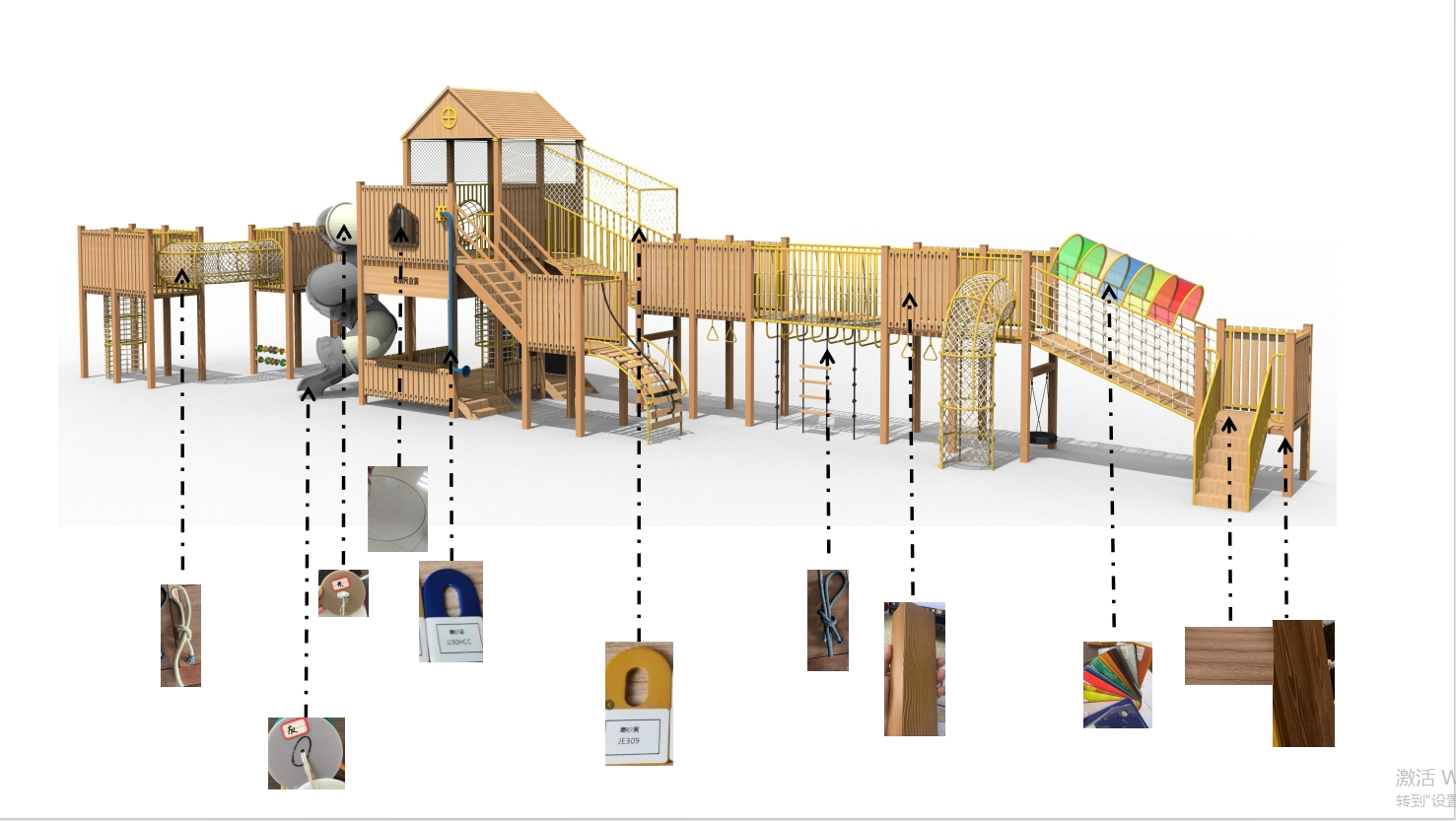
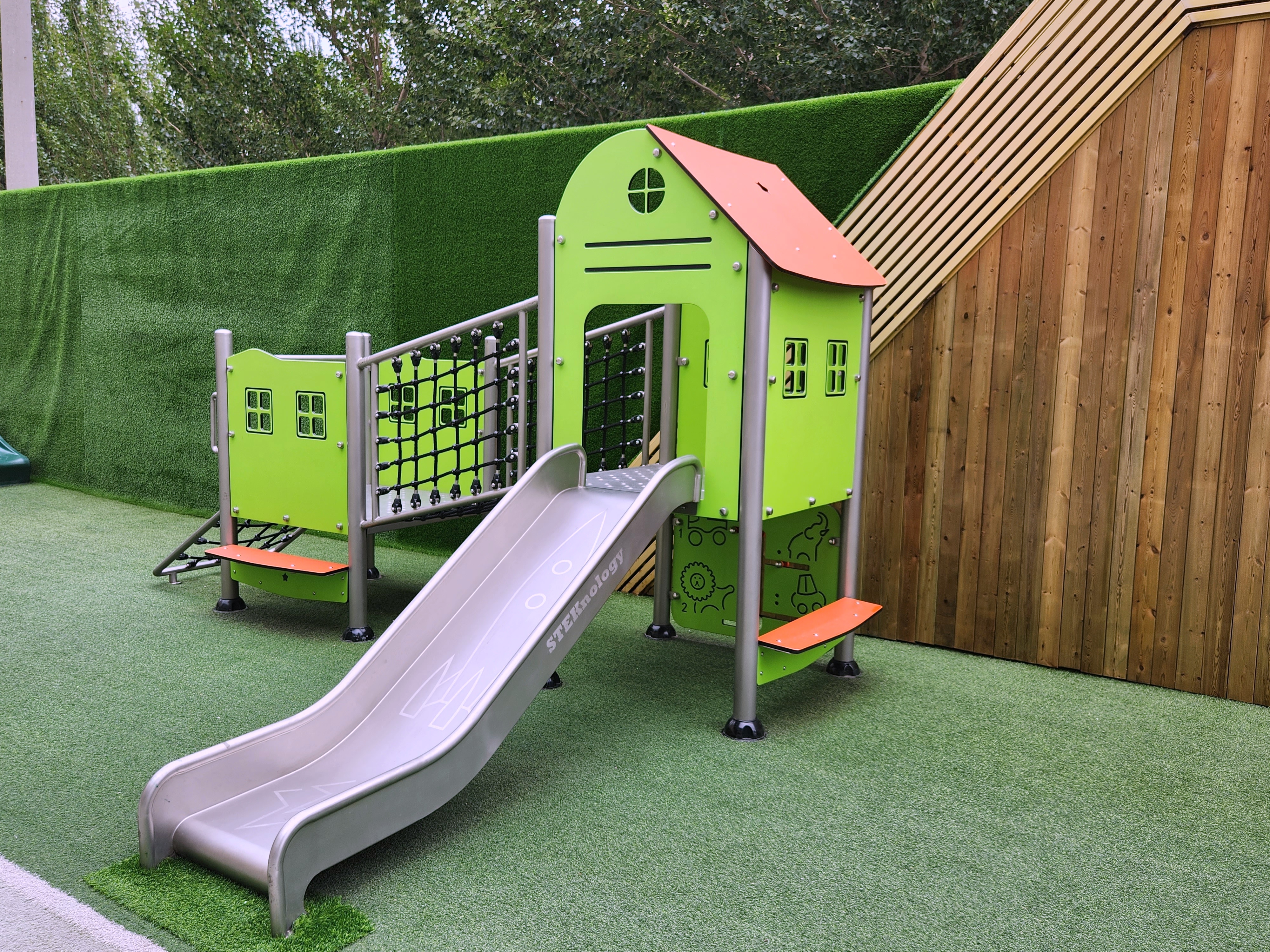
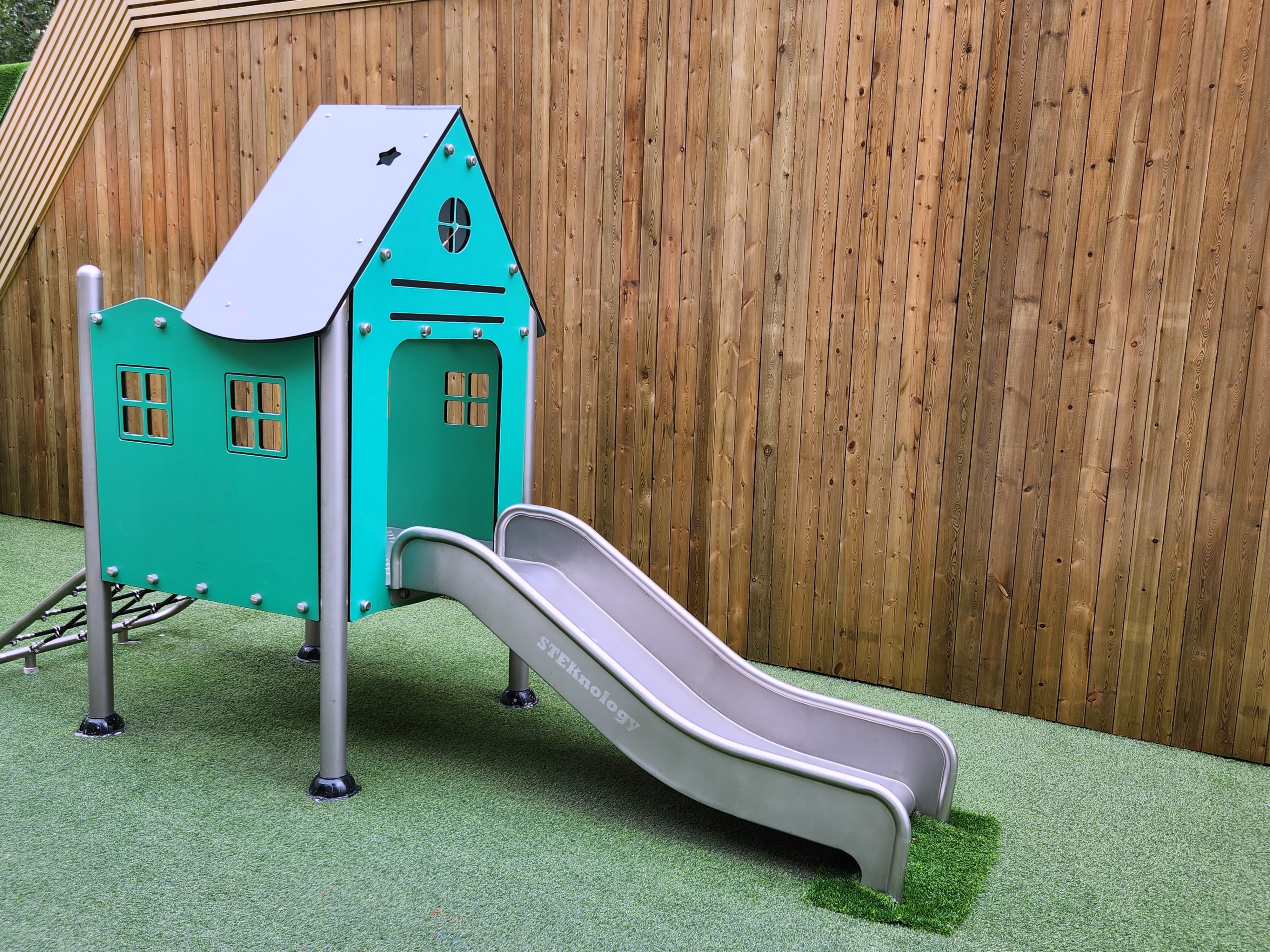
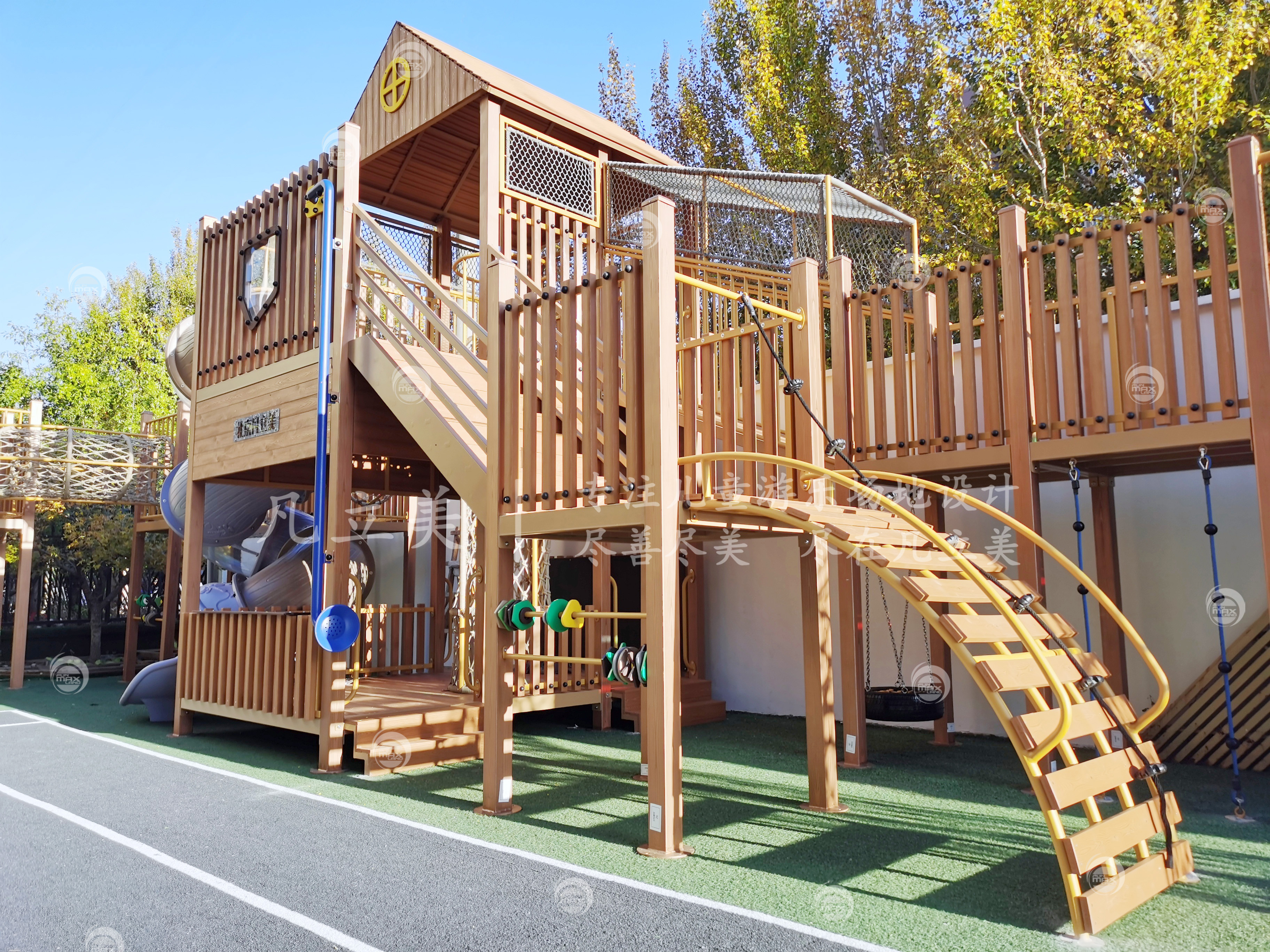
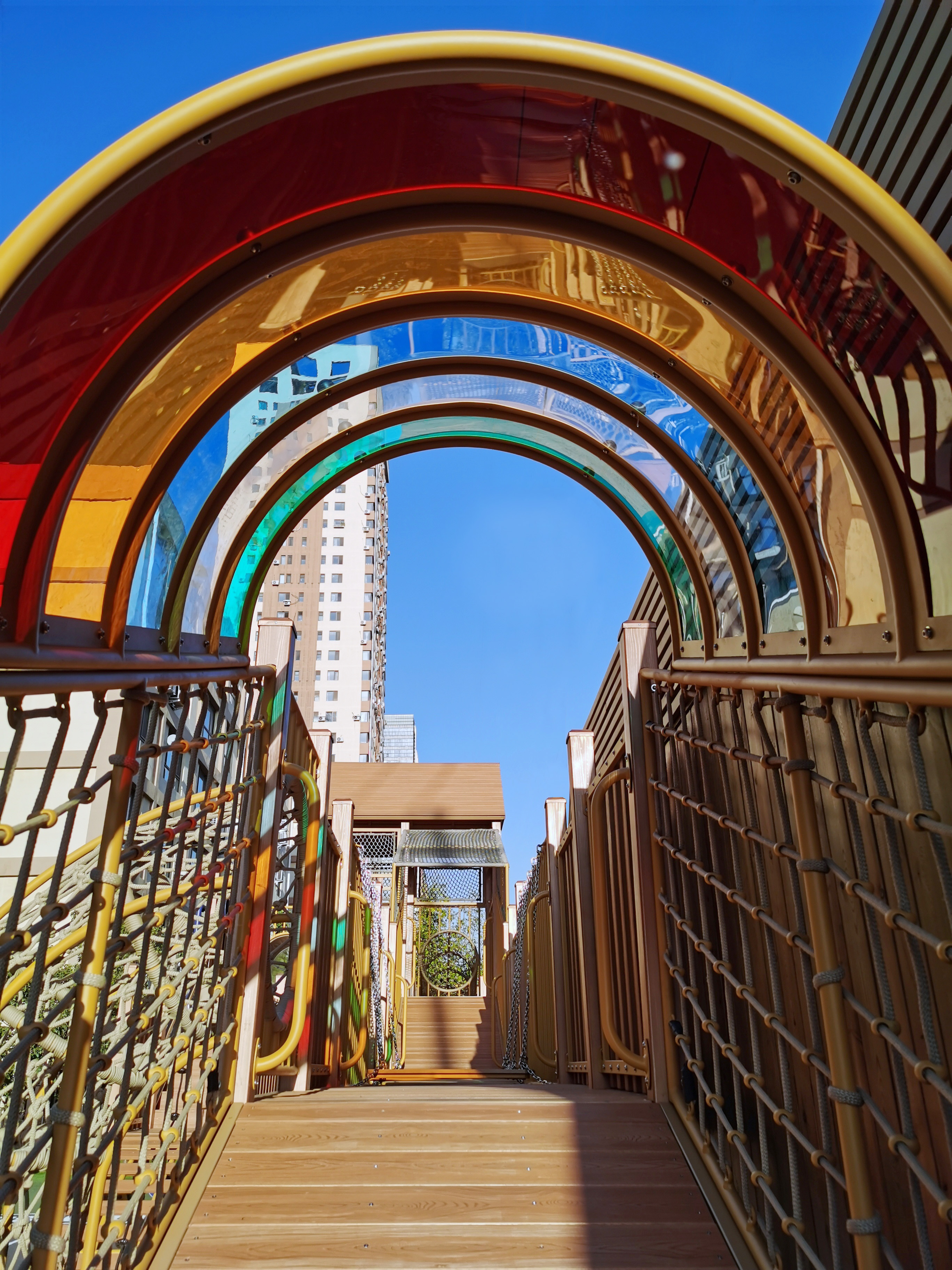
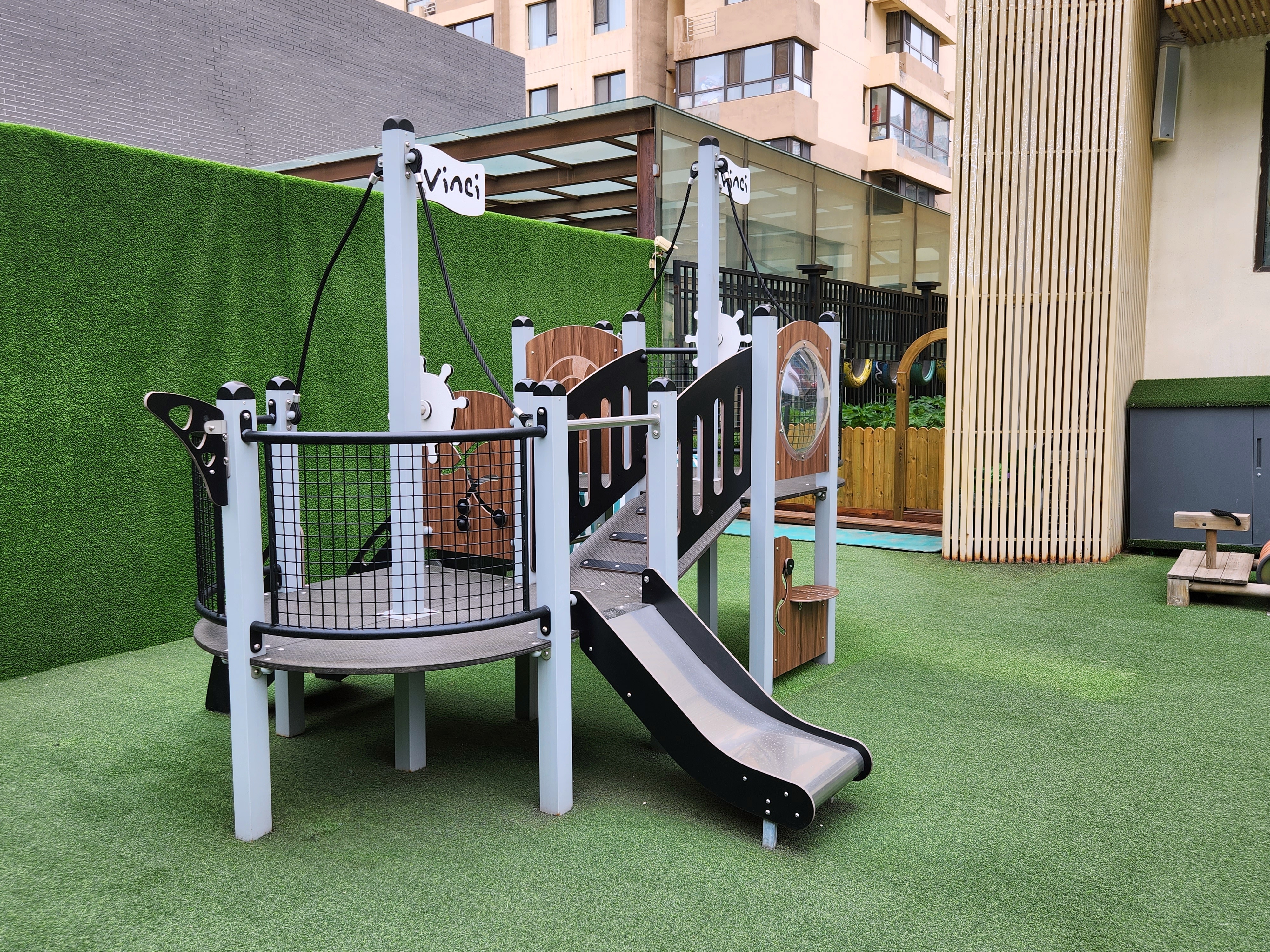
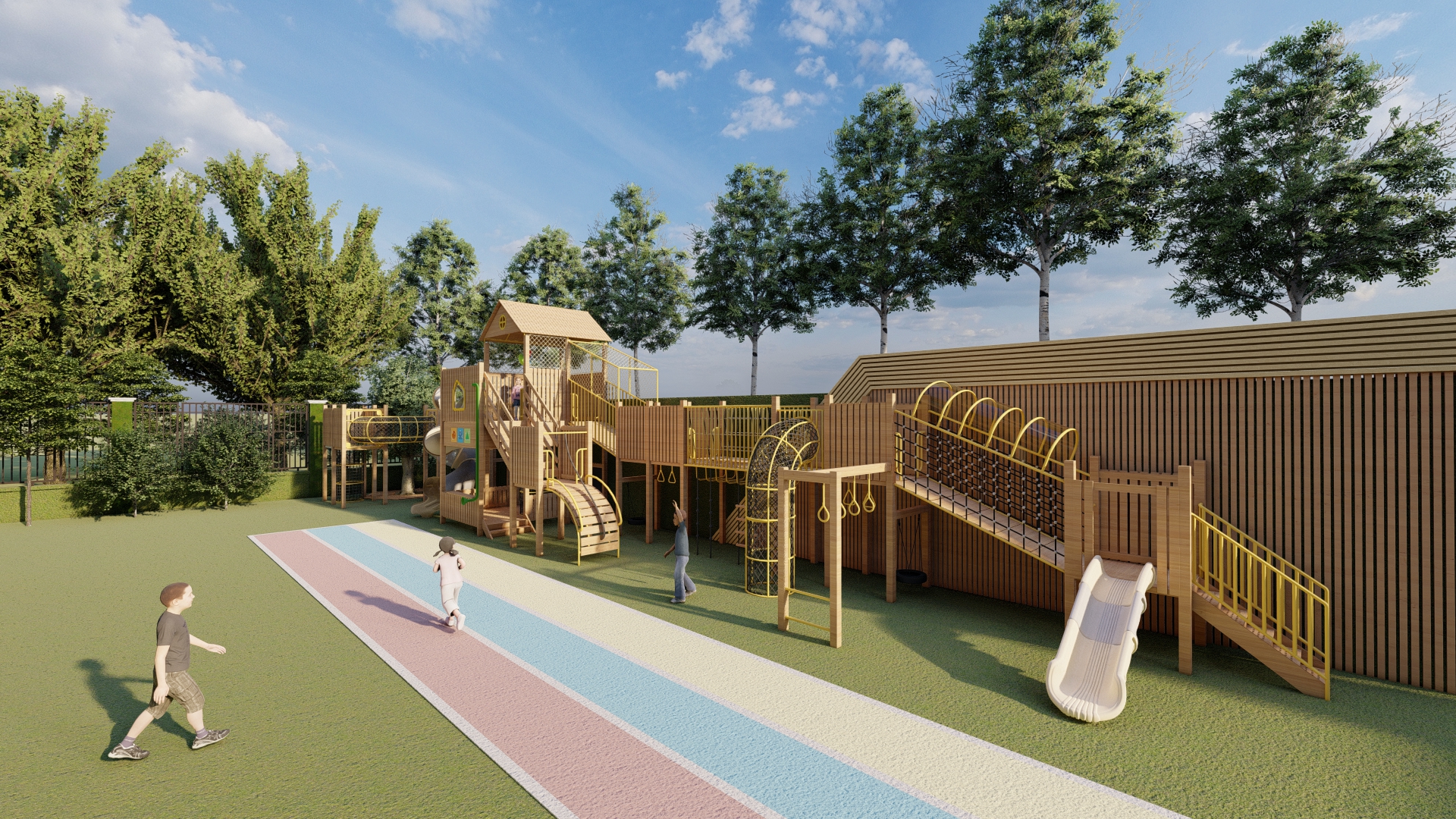
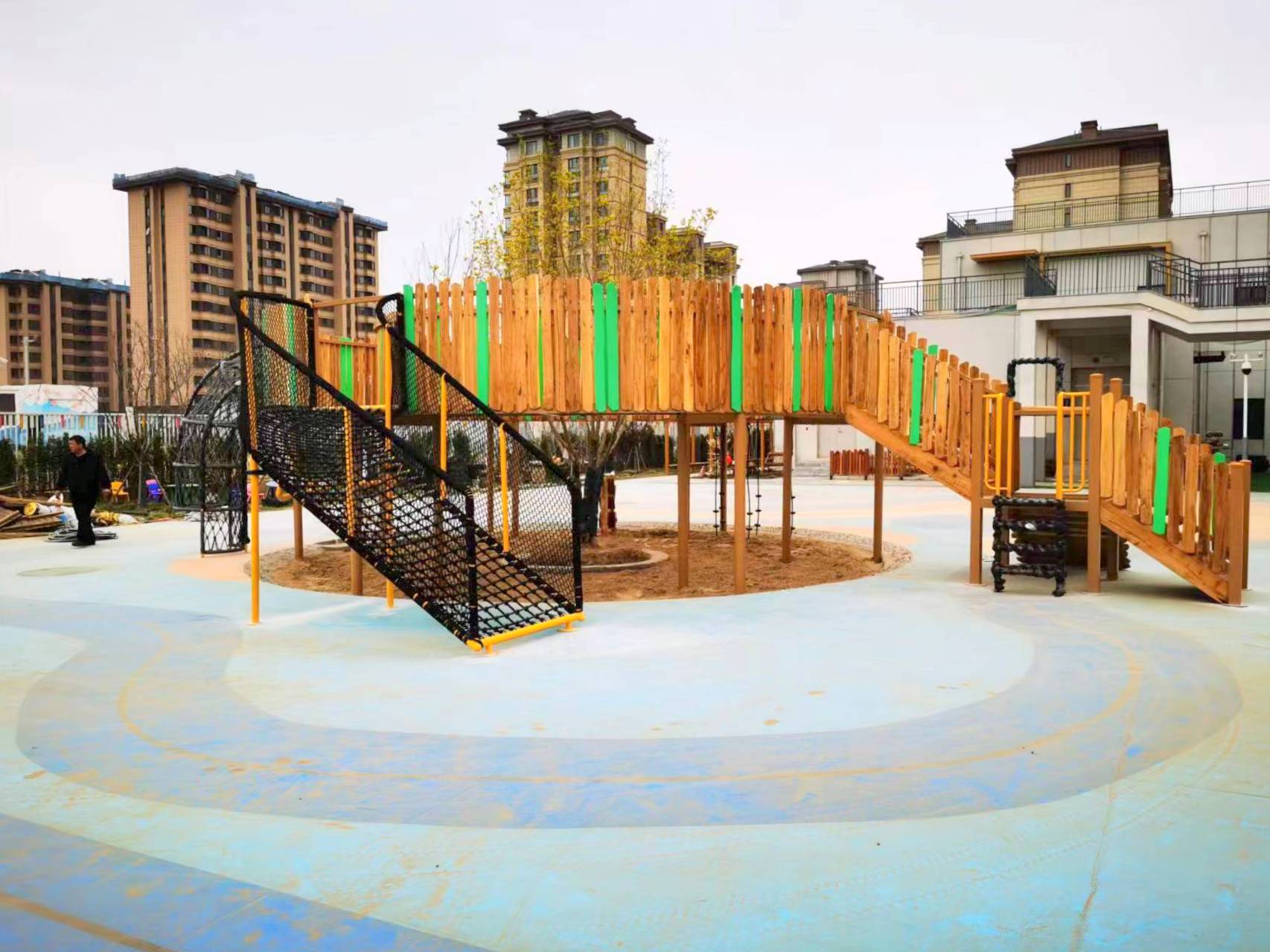
In Beijing preschool education exhibition in 2020, Shenyang wisdom group chose us, every year to purchase the latest children's amusement facilities, fully embodies the trust of our product quality and affirmation, we are very grateful to Shenyang wisdom group support and trust, it also inspires us to continue to work hard, to provide more high quality, more innovative products. For children to create more beautiful childhood memories in the past three years, we to Shenyang wisdom group sold three sets of high quality slide, this year when the boss personally visit Shenyang, took these satisfactory slide photos, see these photos, we can not help but sigh, our slide quality is really good! This year, the leaders of The Group put forward new demands for amusement facilities, mainly solid wood design, not unnecessary pure decoration, the volume is as large as possible and complete and coherent, built against the wall, and some facilities can be seen on the road outside the kindergarten As far as possible, provide more second floor space, plus Reggio light and shadow teaching mode.
Scan the QR code to read on your phone
Message consultation
-
 How can we spend the cold spring?
Spring is coming Although the weather is still cold But the fun of playing outdoors can bring us warmth In this beautiful season Let's grasp every sunny day Out of the room Enjoy the gift of nature - Winter vacation update campus plan —— The British School of Beijing, Shunyi gas film hall sports floor 01-17
- Winter vacation update campus plan ——The British School of Beijing, Shunyi gate Phase I project 01-17
- Snow day meet childhood-Xiongan Rong Xiqing He Kindergarten 12-14
- Funmaxland factory works in Germany 12-14
Contact Us
Mailbox:info@funmaxland.com.cn
Xianglong building, A3 Longtan Road, Dongcheng District, Beijing

Mobile phone scan
Copyright © 2021 Beijing fanlimei sports equipment Co., Ltd. all rights reserved 京iCP备17047832号 Powered by www.300.cn